


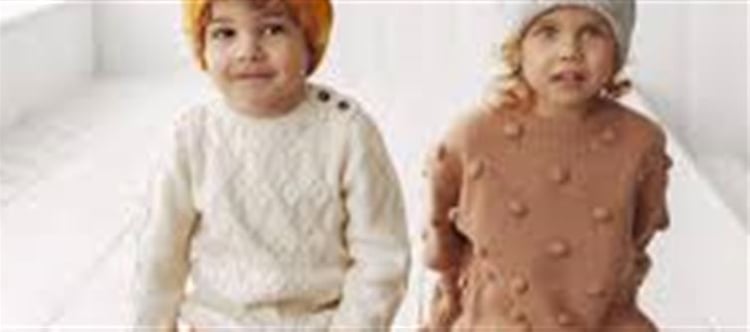

Winter can be magical for children, filled with snowball fights, cozy family moments, and holiday fun. However, it also brings the challenge of keeping little ones warm and protected from cold weather, wind, and damp conditions. Young children are more susceptible to cold-related illnesses because their bodies lose heat faster and they may not recognize the need to dress warmly. Choosing the right winter clothing is therefore crucial for their comfort, health, and safety. Here’s a comprehensive guide to essential winter clothing tips for young children.
1. Layer Smartly, Not Bulky
Layering is the key to keeping children warm without restricting their movement. Instead of one thick coat, dress them in multiple light layers:
Base Layer: Choose a moisture-wicking fabric like cotton or thermal wear to keep sweat away from the skin. Avoid rough materials that may irritate sensitive skin.
Middle Layer: Fleece or wool provides insulation, trapping body heat effectively.
Outer Layer: A waterproof or windproof jacket shields against snow, rain, and chilly winds.
Tip: Ensure that layers are easy to remove if the child becomes too warm indoors, preventing overheating.
2. Prioritize Head, Hands, and Feet
A significant portion of body heat is lost through extremities. Protecting them is essential:
Hats: Soft, insulated hats that cover the ears are a must. Look for materials like fleece or wool.
Gloves or Mittens: Mittens generally keep hands warmer than gloves, as fingers stay together, but gloves offer better dexterity for older kids.
Socks and Boots: Thick wool socks and insulated, waterproof boots keep feet dry and warm. Avoid cotton socks for winter—they retain moisture and can make feet cold.
Tip: Always check extremities during play; cold hands or feet indicate the child needs an extra layer.
3. Choose Comfortable, Non-Restrictive Clothing
Winter clothing should allow children to move freely and play without hassle. Overly tight jackets or boots can restrict circulation and reduce warmth. Elastic waistbands, adjustable straps, and stretchable fabrics are ideal for active young children.
Tip: Test for comfort—if your child resists putting on a jacket or hat, find alternatives with softer fabrics or playful designs to encourage wear.
4. Opt for Water-Resistant Materials
Winter often involves snow and rain, and damp clothing can make a child cold quickly. Look for jackets, pants, and boots that are water-resistant or waterproof. For snow play, consider snow pants or waterproof overalls to keep lower layers dry.
Tip: Layering water-resistant outerwear over moisture-wicking inner layers ensures warmth even if the outer layer gets wet.
5. Reflective and Bright Clothing for Safety
Shorter daylight hours mean many children play or travel during low-light conditions. Bright, vibrant colors and reflective strips improve visibility, reducing the risk of accidents.
Tip: Many winter coats, boots, and hats now come with reflective detailing—these add both safety and style.
6. Avoid Overheating Indoors
It’s easy to overdress children when transitioning from cold outdoor conditions to warm indoor spaces. Overheating can cause discomfort, irritability, or skin rashes.
Tip: Keep removable layers like hats, scarves, and mittens handy, and dress children in breathable fabrics indoors.
7. Don’t Forget Accessories
Small accessories can make a big difference in comfort:
Scarves or Neck Warmers: Protect the neck and lower face from wind. Choose soft, snug options that don’t pose choking hazards.
Ear Muffs or Hoods: Extra protection for ears keeps cold-related discomfort at bay.
Conclusion
Winter clothing for young children requires a careful balance of warmth, comfort, and safety. Layering smartly, protecting extremities, choosing water-resistant fabrics, and ensuring visibility and mobility are essential to keep little ones healthy and happy during the cold months. By following these tips, parents can allow children to enjoy the joys of winter—from snowball fights to cozy indoor activities—without compromising their comfort or safety.
Disclaimer:
The views and opinions expressed in this article are those of the author and do not necessarily reflect the official policy or position of any agency, organization, employer, or company. All information provided is for general informational purposes only. While every effort has been made to ensure accuracy, we make no representations or warranties of any kind, express or implied, about the completeness, reliability, or suitability of the information contained herein. Readers are advised to verify facts and seek professional advice where necessary. Any reliance placed on such information is strictly at the reader’s own risk.
 click and follow Indiaherald WhatsApp channel