
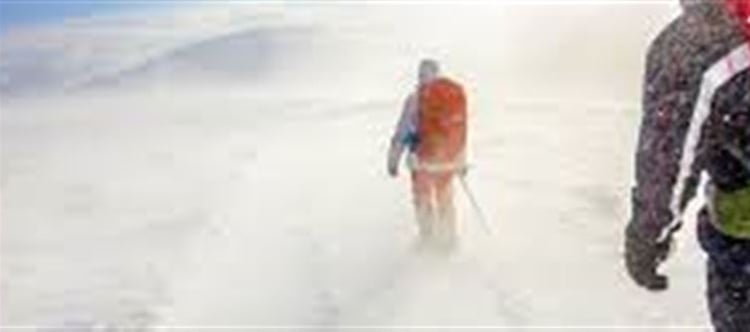


Getting caught in a snowstorm while hiking or driving in the mountains can be dangerous. Here’s what you should do to stay safe.
🏔️ 1. Seek Shelter Immediately
Look for natural shelters like caves, rock overhangs, or dense trees.
If you have a tent or vehicle, use it to shield yourself from wind and snow.
Avoid staying in open areas where wind chill is strongest.
🧣 2. Stay Warm and Layer Up
Wear multiple layers, including thermal innerwear, waterproof jackets, gloves, and hats.
Cover exposed skin to prevent frostbite.
If wet, change clothes immediately; moisture accelerates heat loss.
🔥 3. Create Heat Sources
Use a portable stove or small fire if safe and permitted.
Insulate from the ground using backpacks, sleeping mats, or clothing.
Share body heat if stuck with others.
💧 4. Stay Hydrated and Eat Energy-Rich Food
Drink water regularly; snow can be melted if necessary.
Eat high-calorie snacks like nuts, chocolate, and energy bars to maintain body heat.
📞 5. Signal for Help
Use a mobile phone, satellite phone, or emergency beacon if available.
Signal with bright-colored clothing, reflective materials, or whistles.
Stay put if rescue is expected; moving in a storm increases risk.
🛑 6. Avoid Panic and Unnecessary Movement
Moving unnecessarily in deep snow or whiteout conditions can cause disorientation, injuries, or hypothermia.
Stay calm, assess your surroundings, and wait for the storm to pass if safe.
🌨️ 7. Know the Early Warning Signs of Hypothermia
Shivering, confusion, slurred speech, fatigue, and pale skin are warning signs.
Take immediate action: seek warmth, remove wet clothes, and consume warm fluids.
🏔️ 8. Preparation Is Key
Before going to snow-prone areas, always check weather forecasts.
Carry emergency kits, extra clothing, and navigation tools.
Inform someone of your route and expected return time.
Disclaimer:
The views and opinions expressed in this article are those of the author and do not necessarily reflect the official policy or position of any agency, organization, employer, or company. All information provided is for general informational purposes only. While every effort has been made to ensure accuracy, we make no representations or warranties of any kind, express or implied, about the completeness, reliability, or suitability of the information contained herein. Readers are advised to verify facts and seek professional advice where necessary. Any reliance placed on such information is strictly at the reader’s own risk.
 click and follow Indiaherald WhatsApp channel