


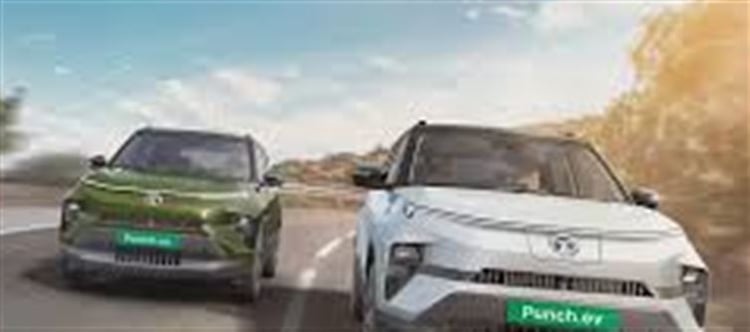

Hyundai is preparing to enter one of the most competitive segments in the indian electric vehicle (EV) market — the compact electric SUV category — with a new Made‑in‑India model that is expected to rival the popular Tata Punch EV.
India‑Specific EV Strategy
The Korean automaker has confirmed plans to develop and build a locally engineered compact electric SUV specifically for the indian market. This vehicle will be designed, tested, and manufactured in india, with production expected at Hyundai’s facilities in tamil Nadu.
Targeted Segment — Sub‑4‑Meter EV SUV
The upcoming hyundai SUV is expected to be a sub‑4‑metre compact electric crossover, placing it directly in competition with the Tata Punch EV. industry sources indicate that the new model will be slightly longer than 3.8 metres — similar in footprint to its rival — and designed to meet the needs of urban and price‑sensitive EV buyers.
Platform and Tech Features
According to reports, the vehicle may draw its architecture and design cues from Hyundai’s global compact EVs, offering two battery options (standard and long range) and modern connectivity and safety technology. Features could include Level‑2 advanced driver assistance systems (ADAS), over‑the‑air (OTA) updates, dual screens, and other comfort and convenience tech that increasingly appeal to EV customers.
Launch Timeline and Expectations
Hyundai has not officially confirmed a launch date, but multiple industry sources suggest the new compact EV is expected to debut in 2027. Deliveries could begin soon after that, making it one of the major new products in Hyundai’s india EV portfolio.
Why This Matters
The compact EV SUV segment is rapidly growing in india, driven by rising demand for affordable electric mobility and government incentives. With rivals like the Tata Punch EV already gaining traction, Hyundai’s locally tailored EV is seen as a strategic move to capture a larger share of the indian EV market and diversify its electric lineup.
Disclaimer:
The views and opinions expressed in this article are those of the author and do not necessarily reflect the official policy or position of any agency, organization, employer, or company. All information provided is for general informational purposes only. While every effort has been made to ensure accuracy, we make no representations or warranties of any kind, express or implied, about the completeness, reliability, or suitability of the information contained herein. Readers are advised to verify facts and seek professional advice where necessary. Any reliance placed on such information is strictly at the reader’s own risk.
 click and follow Indiaherald WhatsApp channel