


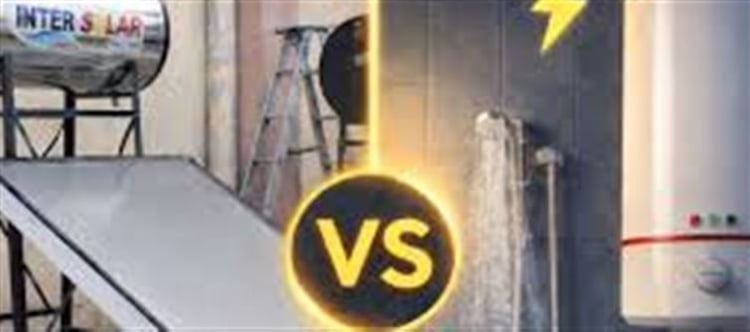

Choosing the right geyser (water heater) is more than a comfort decision—it can have a big impact on your monthly energy bills. With multiple options available—electric, gas, and solar geysers—it’s important to understand how each works, their running costs, and which is the most economical in the long run. Here’s a detailed comparison.
1. Electric Geysers
Electric geysers are the most common type in urban homes. They use electricity to heat water via an internal heating element.
Pros
- Easy to install: Only requires electricity and a water connection.
- Compact designs: Suitable for apartments or small bathrooms.
- Temperature control: Most modern units let you set the exact temperature.
Cons
- High running cost: electricity is more expensive compared to gas, so your monthly bills can increase if you use hot water frequently.
- Dependent on power supply: During power cuts, you can’t use them.
Cost Example
- For a 25-liter electric geyser, the electricity consumption is roughly 2–3 units per hour.
- Assuming ₹8 per unit of electricity, heating water daily for 1–2 hours can cost ₹480–₹960 per month.
Verdict: Convenient, but not the cheapest option for regular use.
2. Gas Geysers
Gas geysers, also called instant water heaters, run on LPG (liquefied petroleum gas) or natural gas. They heat water on demand, so you don’t store hot water like electric geysers.
Pros
- Lower running cost than electricity: Gas is generally cheaper per unit of energy.
- Instant hot water: No waiting for the water tank to heat up.
- Works during power cuts: Great for areas with unreliable electricity.
Cons
- Higher initial cost: LPG geysers can be slightly more expensive to buy and install.
- Gas cylinder or piped connection required: Maintenance and refilling needed.
- Safety concerns: Proper ventilation is necessary to prevent gas leaks.
Cost Example
- Gas consumption for a family of 4: ~3–4 kg of LPG per month, costing roughly ₹600–₹800.
- Natural gas users may pay even less depending on local tariffs.
Verdict: Lower running cost than electric geysers; suitable for families using hot water daily.
3. Solar Geysers
Solar water heaters use solar energy to heat water, typically assisted by electric or gas backup for cloudy days. They are ideal for sunny regions.
Pros
- Lowest running cost: Sunlight is free, so your electricity/gas usage drops significantly.
- Eco-friendly: zero emissions from solar energy.
- Long-term savings: High upfront cost, but savings recover the investment over time.
Cons
- High initial cost: Solar geysers can be more expensive to install.
- Dependent on sunlight: Backup system needed for rainy/cloudy days.
- Space requirement: Needs roof space for solar panels.
Cost Example
- For a 150-liter solar geyser, electricity backup may cost only ₹100–₹200 per month for cloudy days.
- Most energy comes free from the sun.
Verdict: Cheapest in the long run, especially in sunny areas. High initial cost but very low running bills.
4. Side-by-Side Comparison
Feature
Electric Geyser
Gas Geyser
Solar Geyser
Initial Cost
Low to Medium
Medium
High
Running Cost
High
Medium
Very Low
Eco-Friendliness
Low
Medium
High
Maintenance
Moderate
Moderate
Low (except backup)
Instant Hot Water
No (storage-based)
Yes
Only with backup
Dependence on Power
Yes
No
No (uses sun)
5. Verdict: Which Geyser Results in the Lowest Bill?
- Solar Geysers are the clear winner in terms of monthly running costs. Once installed, the energy from the sun is free, reducing your electricity/gas bills drastically.
- Gas Geysers are a close second—cheaper than electric geysers for daily hot water use.
- Electric Geysers are convenient but result in the highest bills, especially if used frequently.
Pro Tip: If you live in a region with good sunlight, a solar geyser with electric backup is the most cost-efficient and eco-friendly option. For areas with unreliable sunlight, gas geysers are a practical choice to save on monthly bills.
Disclaimer:
The views and opinions expressed in this article are those of the author and do not necessarily reflect the official policy or position of any agency, organization, employer, or company. All information provided is for general informational purposes only. While every effort has been made to ensure accuracy, we make no representations or warranties of any kind, express or implied, about the completeness, reliability, or suitability of the information contained herein. Readers are advised to verify facts and seek professional advice where necessary. Any reliance placed on such information is strictly at the reader’s own risk.
 click and follow Indiaherald WhatsApp channel