


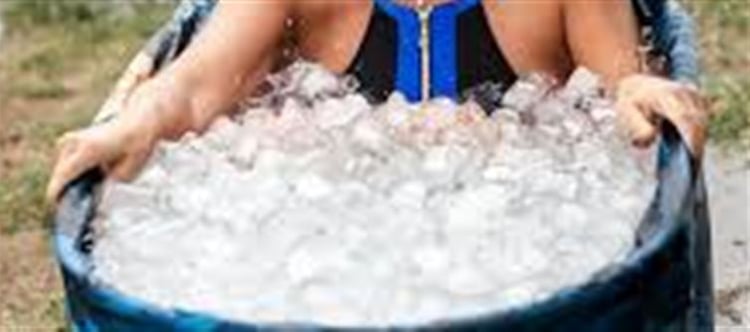

Cold water bathing, often lauded for its invigorating effects and potential benefits for mental health, fat metabolism, and immune function, has gained popularity in recent years. From icy plunges in Scandinavian lakes to modern “cryotherapy” tubs, enthusiasts claim that sudden exposure to cold water can boost alertness, reduce inflammation, and even improve mood. However, while occasional cold exposure may offer some health advantages, it is not without risks—particularly when it comes to heart health. Understanding these risks is crucial for anyone considering regular cold water baths.
How Cold Water Affects the Heart
When the body is suddenly immersed in cold water, several immediate physiological responses occur:
1. Vasoconstriction: Blood vessels constrict to preserve core body temperature, which increases blood pressure and puts additional strain on the heart.
2. Increased heart Rate: The “cold shock response” triggers the sympathetic nervous system, releasing adrenaline and increasing heart rate.
3. Arrhythmia Risk: For individuals with pre-existing heart conditions, these rapid changes in blood pressure and heart rate can provoke irregular heart rhythms, which can be dangerous or even fatal.
In healthy adults, these effects are often tolerable and temporary. However, for those with cardiovascular disease, high blood pressure, or a history of heart attacks, sudden exposure to cold water can be a serious risk factor.
Heart-Related Risks of Cold Water Immersion
1. Sudden Cardiac Arrest
One of the most concerning risks is sudden cardiac arrest, which can occur when the heart’s electrical system is disrupted. Cold water triggers an acute stress response, potentially causing fatal arrhythmias in susceptible individuals.
2. Exacerbation of Hypertension
People with high blood pressure may experience dangerous spikes when immersed in cold water. Vasoconstriction increases resistance in the blood vessels, forcing the heart to work harder to pump blood. This can lead to strokes or heart attacks in extreme cases.
3. Shock and Hyperventilation
Cold water immersion can induce a “gasp reflex,” leading to hyperventilation and sudden shock. This rapid breathing increases oxygen demand while simultaneously increasing cardiac workload—another dangerous combination for individuals with heart disease.
4. Long-Term Cardiovascular Stress
Even for healthy adults, repeated cold exposure may cause chronic stress on the cardiovascular system. Over time, repeated surges in blood pressure and heart rate could contribute to endothelial damage, promoting arterial stiffness and raising long-term heart disease risk.
Who Should Avoid Cold Water Baths
Cold water immersion is generally discouraged for:
· Individuals with coronary artery disease or heart failure.
· Those with uncontrolled hypertension.
· people with a history of arrhythmias or previous heart attacks.
· Elderly individuals or those with weakened cardiovascular resilience.
Safer Approaches to Cold Exposure
For those eager to try cold water therapy while minimizing heart risks, consider the following precautions:
1. Gradual Exposure: Start with cool, not icy, water and gradually decrease the temperature over time.
2. Short Duration: Limit immersion to 1–3 minutes initially, allowing the body to acclimate.
3. Supervision: Never take extreme cold baths alone. Having someone nearby can prevent accidents in case of cardiac distress.
4. Medical Clearance: Individuals with known cardiovascular risks should consult a healthcare provider before attempting cold water baths.
Conclusion
While cold water bathing may offer mental and physical benefits, it is not a risk-free practice. Sudden immersion can provoke dangerous cardiovascular responses, particularly in individuals with underlying heart conditions. Awareness of these risks, combined with gradual exposure and professional guidance, is essential for anyone considering adding cold water therapy to their wellness routine. In essence, a refreshing plunge can be exhilarating—but when it comes to heart health, caution is far wiser than thrill-seeking.
Disclaimer:
The views and opinions expressed in this article are those of the author and do not necessarily reflect the official policy or position of any agency, organization, employer, or company. All information provided is for general informational purposes only. While every effort has been made to ensure accuracy, we make no representations or warranties of any kind, express or implied, about the completeness, reliability, or suitability of the information contained herein. Readers are advised to verify facts and seek professional advice where necessary. Any reliance placed on such information is strictly at the reader’s own risk.
 click and follow Indiaherald WhatsApp channel