


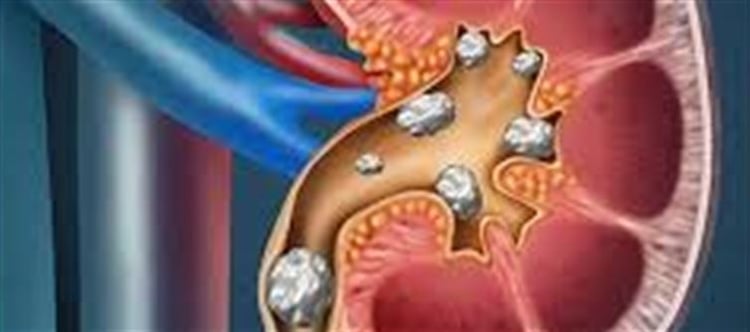

Kidney stones are a common yet painful condition that can affect anyone, regardless of age or gender. While they can occur throughout the year, winter brings unique factors that may increase the risk of kidney stone formation. Understanding these risks, along with effective prevention strategies, can help you protect your kidneys and maintain overall urinary health.
1. What Are Kidney Stones?
Kidney stones are hard deposits of minerals and salts that form in the kidneys. They vary in size, shape, and composition, with the most common types being:
Calcium stones: Usually calcium oxalate or calcium phosphate.
Uric acid stones: Often caused by high protein intake or acidic urine.
Struvite stones: Linked to urinary tract infections.
Cystine stones: Rare, caused by genetic disorders.
Symptoms may include sharp pain in the back or side, blood in urine, nausea, vomiting, and frequent urination.
2. Why Winter Increases Kidney Stone Risk
Several factors make winter a higher-risk season for kidney stones:
a. Dehydration
People often drink less water in colder months.
Reduced fluid intake concentrates urine, increasing the likelihood of crystal formation.
b. Dietary Changes
Winter diets may be higher in calcium, oxalate-rich foods, and protein, which can contribute to stone formation.
Comfort foods like cheese, nuts, and processed snacks can add to the risk.
c. Less Physical Activity
Reduced outdoor activity leads to slower metabolism and can affect calcium balance, increasing stone risk.
d. Indoor Heating
Central heating can cause slight dehydration, further concentrating urine.
3. Prevention Tips for Winter
While kidney stones can be painful, many cases are preventable with lifestyle adjustments.
a. Stay Hydrated
Drink at least 8–10 glasses of water daily.
Include warm herbal teas or soups for added hydration in winter.
Monitor urine color: pale yellow indicates adequate hydration.
b. Mind Your Diet
Limit oxalate-rich foods like spinach, beets, and nuts if prone to calcium oxalate stones.
Reduce excessive salt intake, which can increase calcium excretion.
Eat moderate amounts of protein and include fruits and vegetables rich in potassium.
Incorporate citrus fruits like oranges and lemons—they help reduce stone formation.
c. Maintain Physical Activity
Regular exercise improves metabolism and kidney function.
Simple indoor activities like walking, yoga, or light resistance exercises can be beneficial.
d. Avoid Excessive Heating
Ensure your home doesn’t dry out excessively—consider humidifiers if central heating is in use.
Staying hydrated can counteract the drying effects of indoor heat.
e. Regular Check-ups
Individuals with a history of kidney stones should consult a nephrologist or urologist for preventive screening.
Periodic urine and blood tests can detect early risk factors like high calcium, uric acid, or oxalate levels.
4. Natural Supportive Measures
Some natural habits may support kidney health:
Lemon water: Citric acid can prevent crystal formation.
Herbal teas: Nettle, dandelion, and green tea may support urinary tract health.
Moderate calcium intake: Low calcium can paradoxically increase stone risk, so maintain balanced dietary calcium.
5. Warning Signs to watch For
Seek medical attention if you experience:
Severe back or side pain radiating to the lower abdomen
Blood in urine
Persistent nausea or vomiting
Fever or chills (may indicate infection)
Difficulty urinating
Early intervention can prevent complications like kidney infection or obstruction.
Final Thoughts
Kidney stones are painful but largely preventable with the right lifestyle measures. In winter, hydration, balanced diet, regular activity, and monitoring urinary health are key to reducing risk. Understanding the seasonal factors that contribute to stone formation empowers you to protect your kidneys and maintain overall well-being.
By paying attention to your body, adjusting habits for colder months, and seeking timely medical care when needed, you can enjoy winter without the discomfort of kidney stones.
Disclaimer:
The views and opinions expressed in this article are those of the author and do not necessarily reflect the official policy or position of any agency, organization, employer, or company. All information provided is for general informational purposes only. While every effort has been made to ensure accuracy, we make no representations or warranties of any kind, express or implied, about the completeness, reliability, or suitability of the information contained herein. Readers are advised to verify facts and seek professional advice where necessary. Any reliance placed on such information is strictly at the reader’s own risk.
 click and follow Indiaherald WhatsApp channel