


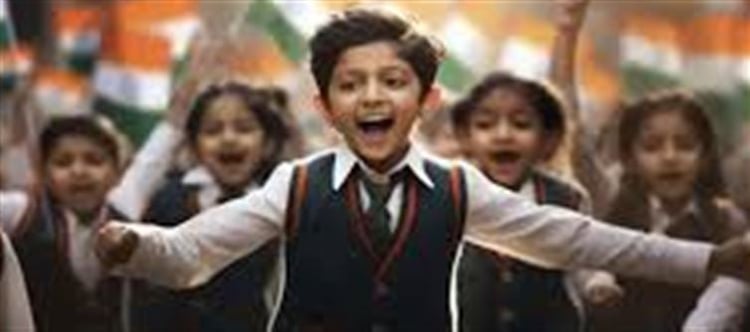

India has a vast education system with options ranging from government-run schools and colleges to private institutions. While quality matters, cost of education is a major consideration for many families. For students seeking high-quality yet low-cost education, there are several states and institutions where fees are remarkably affordable.
📌 Factors Determining the Cost of Education
The cost of education in india depends on:
Type of Institution:
Government schools and colleges are far cheaper than private ones.
Location/State:
Education costs vary widely between states due to subsidies and state policies.
Level of Education:
Primary and secondary education is generally low-cost, while higher education can be more expensive.
Course & Program:
Professional courses (engineering, medicine, management) usually have higher fees compared to arts, science, or commerce streams.
🏫 Cheapest States for education in India
Based on government subsidies, living costs, and tuition fees, the following states are known for affordable education:
Bihar
Government schools offer free education till 12th grade.
Public universities like Patna University and Magadh University have low tuition fees.
Uttar Pradesh
Many government colleges offer minimal tuition fees.
Education is heavily subsidized in rural and semi-urban areas.
Rajasthan
State-run colleges provide cheap higher education, especially in arts, science, and commerce.
Midday meals and scholarship schemes reduce overall costs.
West Bengal
Institutions like University of Calcutta offer very affordable tuition, especially for in-state students.
Numerous scholarships make education accessible for underprivileged students.
Madhya Pradesh
Public schools and universities have low fees, especially in rural areas.
Scholarships and hostel facilities reduce living expenses.
💡 Cheapest Types of Institutions
- Government Schools: Free or nominal tuition, sometimes free uniforms and books.
- Public Universities/Colleges: Tuition often ranges from ₹2,000 to ₹10,000 per year for undergraduate courses.
- Open Universities & Distance Education: Options like IGNOU provide low-cost degrees and allow flexible learning.
- State Scholarship Schemes: Many states provide fee reimbursement for SC/ST/OBC and economically weaker sections, reducing costs further.
📝 Benefits of Choosing Low-Cost Education
Financial Relief: Saves money for families while providing quality education.
Scholarship Access: students often qualify for merit-based and need-based scholarships.
Accessibility: Even rural students can access higher education without financial burden.
Career Opportunities: Affordable education allows students to invest in skill development and professional courses later.
🌟 Final Thoughts
If you are looking for affordable education in India, prioritize:
- Government-run schools and colleges in states like Bihar, Uttar Pradesh, Rajasthan, West Bengal, and Madhya Pradesh.
- Explore scholarship opportunities and government schemes.
- Consider distance learning or open universities for cost-effective higher education.
With proper research, students can receive quality education without breaking the bank, ensuring both learning and financial stability.
Disclaimer:
The views and opinions expressed in this article are those of the author and do not necessarily reflect the official policy or position of any agency, organization, employer, or company. All information provided is for general informational purposes only. While every effort has been made to ensure accuracy, we make no representations or warranties of any kind, express or implied, about the completeness, reliability, or suitability of the information contained herein. Readers are advised to verify facts and seek professional advice where necessary. Any reliance placed on such information is strictly at the reader’s own risk.
 click and follow Indiaherald WhatsApp channel