



West Asia Tensions: CCS Reviews Iran-Israel Conflict, Safety of Stranded Indians
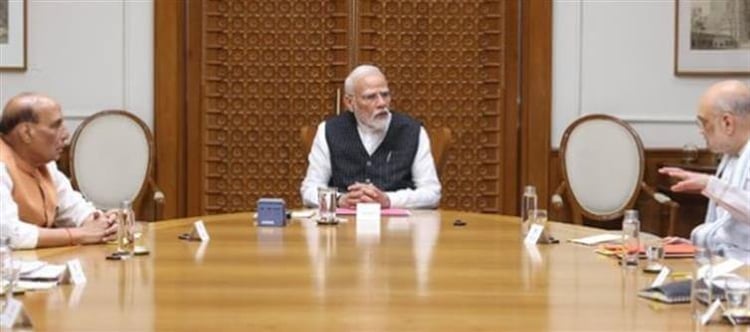
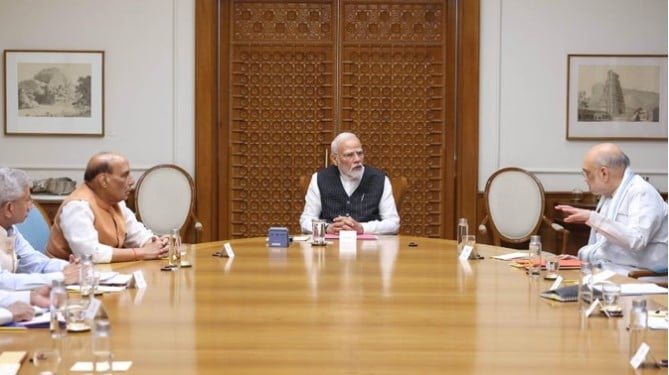
Amid rapidly escalating tensions in West Asia, narendra modi chaired a high-level meeting of the cabinet Committee on Security (CCS) to assess the evolving security situation.
The meeting reviewed the impact of the Iran-Israel conflict, particularly after joint US-Israeli airstrikes on iran intensified regional instability.
Senior ministers including Rajnath Singh, amit shah, S. jaishankar, and Nirmala Sitharaman attended the crucial meeting.
National Security Adviser Ajit Doval and Foreign Secretary vikram Misri were also present.
Reports of the death of Iran’s supreme Leader ali Khamenei during the strikes have further heightened fears of a broader regional war.
The CCS evaluated the safety of indian citizens stranded in affected areas, particularly in the UAE, Qatar, Israel, and Iran.
Hundreds of indians are reportedly stranded at airports in dubai and Doha due to widespread airspace closures.
The government reviewed contingency evacuation plans in case the conflict worsens.
The meeting also assessed threats to energy security, especially after iran reportedly closed the Strait of Hormuz, a key oil transit route.
West Asia remains critical for India’s oil imports, trade routes, and maritime interests.
Approximately 10,000 indians reside in iran, over 40,000 in Israel, and nearly 9 million across Gulf and West Asian countries.
The Ministry of External Affairs (MEA) has activated helplines and instructed embassies to remain in constant contact with indian nationals.
India has previously conducted successful evacuation missions from conflict zones, strengthening preparedness for emergencies.
In diplomatic outreach, jaishankar spoke with Iranian Foreign minister Seyed abbas Araghchi, conveying India’s deep concern.
He also engaged with Israeli Foreign minister Gideon Saar, urging restraint and dialogue.
India reiterated that diplomacy and de-escalation are the only sustainable solutions.
The crisis carries major economic implications, as prolonged instability could disrupt oil supplies and impact global markets.
The CCS meeting underscores India’s balanced approach — safeguarding national interests while advocating peace and regional stability.
Disclaimer:
The information contained in this article is for general informational purposes only. While we strive to ensure accuracy, we make no warranties or representations of any kind, express or implied, about the completeness, accuracy, reliability, suitability, or availability of the content. Any reliance you place on the information is strictly at your own risk. The views, opinions, or claims expressed in this article are those of the author and do not necessarily reflect the official policy or position of any organization mentioned. We disclaim any liability for any loss or damage arising directly or indirectly from the use of this article.
 click and follow Indiaherald WhatsApp channel