



⚡ A SMALL INCIDENT, A BIG ARGUMENT
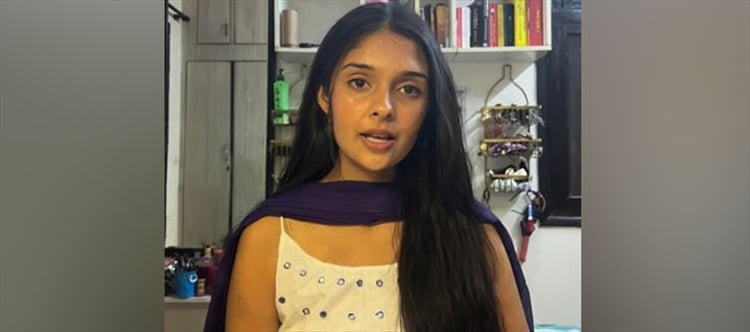
What should have been a routine college event has turned into a full-blown debate about rules, respect, and personal choice. A student from delhi University attended a formal function at Sri ram college, where participants were reportedly asked to follow a traditional dress code. She chose a sleeveless salwar suit — and when she wasn’t allowed to take part in a key moment on stage, the incident spilled online. Now, the conversation isn’t just about one outfit. It’s about where rules end, and individual freedom begins.
1. THE event EXPECTATION
Formal college events often come with guidelines — especially when there’s a chief guest involved. The idea is to maintain a certain tone and uniformity. Dress codes, in that sense, aren’t unusual.
2. THE FLASHPOINT
The controversy began when the student, who didn’t follow the suggested attire, was reportedly not allowed to felicitate the chief guest, Mansukh L. Mandaviya. What might have stayed a minor issue quickly became a talking point online.
3. RULES: ONE-SIDED OR UNIVERSAL?
Supporters of the rule argue that dress codes apply to everyone — men included. In many institutions, men are also expected to avoid casual or sleeveless clothing during formal occasions. The intent, they say, is consistency, not control.
4. THE PERCEPTION GAP
Critics, however, often see such rules through a different lens — questioning whether they are enforced evenly or disproportionately scrutinize women. That’s where the debate intensifies.
5. THE social media AMPLIFIER
Once the incident hit social platforms, it evolved beyond the event itself — with arguments about attention, intent, and whether the reaction was justified or exaggerated.
🔥 THE TAKEAWAY
Dress codes at formal events aren’t new. But every time they clash with personal choice, the same question resurfaces: are we enforcing standards… or sparking unnecessary divides?
 click and follow Indiaherald WhatsApp channel