



⚡THIS ISN’T JUST A PAY DISPUTE — IT’S A MIRROR
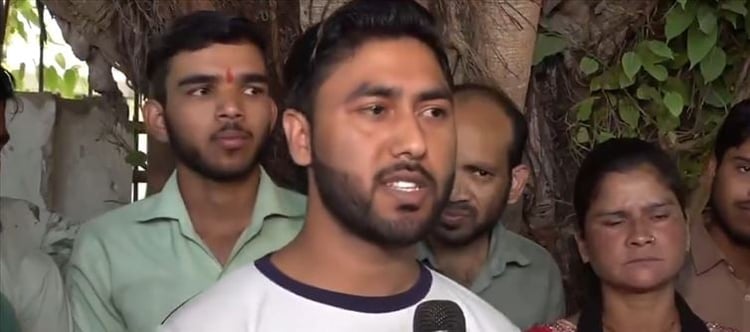
A group of workers in noida is asking for a higher minimum wage — around ₹20,000 — after the Uttar Pradesh government raised the baseline to ₹13,690. On the surface, it’s a familiar labour dispute. But the reactions it triggers say something deeper about how we, as a society, respond to wealth, work, and who we believe deserves more.
1. THE DEMAND ITSELF
The ask is straightforward: a higher wage that reflects rising costs and the realities of urban living. For workers at the bottom of the pay scale, even small increments can make a significant difference to daily survival.
2. THE BACKLASH
What stands out isn’t just the protest — it’s the pushback. Sections of public discourse quickly frame such demands as unreasonable or politically motivated. The tone often shifts from discussion to dismissal.
3. THE CONTRAST people ARE POINTING OUT
At the same time, large displays of wealth — high-profile events, luxury spending — rarely attract the same intensity of scrutiny. That contrast fuels frustration: why is one kind of excess normalized while basic wage demands are questioned?
4. A QUESTION OF PERCEPTION
This isn’t just economics; it’s psychology. Who we empathize with, who we critique, and why. When workers asking for better pay are met with suspicion, it reveals an uncomfortable bias in how value is assigned.
5. THE BIGGER ISSUE
The conversation shouldn’t be about silencing either side. It should be about balance — fair wages, sustainable business costs, and a system that doesn’t automatically discredit those asking for more.
🔥 THE TAKEAWAY
This protest isn’t just about ₹20,000. It’s about how a society decides what’s reasonable — and for whom.
 click and follow Indiaherald WhatsApp channel