


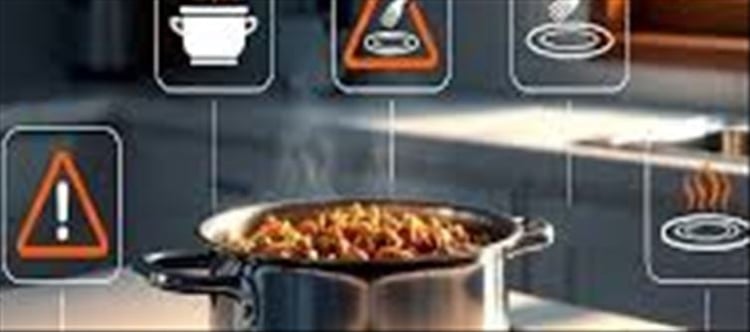

Induction cooktops are becoming increasingly popular in modern kitchens due to their speed, efficiency, and safety advantages over gas stoves. However, a small but common oversight during usage can lead to unexpected risks—ranging from appliance damage to fire hazards or even safety issues in the kitchen.
Let’s break down what this warning really means and how you can stay safe.
The Small Oversight: Using the Wrong Cookware
One of the most common mistakes users make is placing non-compatible cookware on an induction cooktop.
Induction cooking works only with magnetic-based cookware, such as:
- Cast iron
- Stainless steel (magnetic grade)
If you use:
- Aluminium (non-magnetic type)
- Copper cookware
- Glass or ceramic pans
…the cooktop may not heat properly, or in some cases, may overwork internally trying to detect the vessel.
Why This Can Be Dangerous
Even though induction cooktops don’t use open flames, the wrong usage can still lead to problems:
1. Overheating of the Cooktop Surface
When incompatible cookware is used, the appliance may continuously attempt to detect it, causing unnecessary strain and heat buildup.
2. Appliance Damage Over Time
Repeated use of non-compatible vessels can reduce the lifespan of internal components like coils and sensors.
3. False Sense of Safety
Users may assume “no flame = no risk,” but hot surfaces can still cause burns or heat-related accidents.
Other Common Mistakes to Avoid
Leaving the Cooktop Empty While On
Running an induction stove without cookware can trigger overheating warnings or system stress.
Using Oversized or Uneven Pans
If the base does not properly match the heating zone, energy efficiency drops and heating becomes uneven.
Ignoring Power Settings
Running the cooktop at maximum heat continuously can lead to overheating food, smoke, or even damage to cookware coatings.
Safety Tips for Induction Cooktop Use
To ensure safe and efficient cooking:
- Always use induction-compatible cookware
- Check for a magnet test (if a magnet sticks, it’s safe)
- Keep the surface clean and dry before use
- Avoid placing metal objects like spoons or lids on the cooktop
- Turn off immediately after use
- Allow cooling before cleaning
Hidden Benefit: Why Induction Is Still Safer
Despite these cautions, induction cooktops remain one of the safest cooking options because:
- No open flame
- No gas leakage risk
- Auto shut-off in many models
- Fast and controlled heating
Final Takeaway
The biggest mistake users make isn’t dangerous by itself—but repeated over time, it can affect both safety and appliance lifespan. Simply ensuring you use the right cookware and follow basic usage habits can make induction cooking highly safe, efficient, and long-lasting.
Disclaimer:
The views and opinions expressed in this article are those of the author and do not necessarily reflect the official policy or position of any agency, organization, employer, or company. All information provided is for general informational purposes only. While every effort has been made to ensure accuracy, we make no representations or warranties of any kind, express or implied, about the completeness, reliability, or suitability of the information contained herein. Readers are advised to verify facts and seek professional advice where necessary. Any reliance placed on such information is strictly at the reader’s own risk.
 click and follow Indiaherald WhatsApp channel