
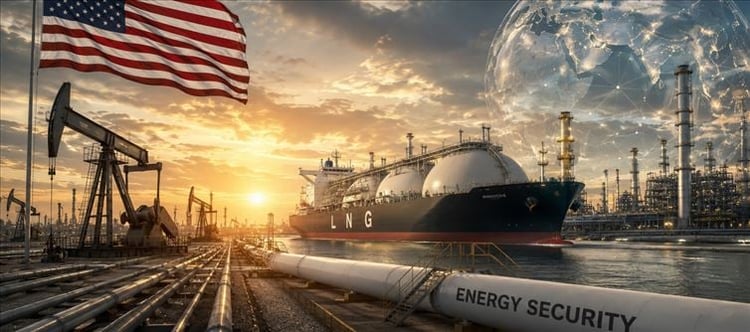


The world is obsessing over AI, chips, and tech wars. But underneath all the headlines sits the real power source of the next decade: energy. And while most people were distracted, the united states quietly transformed itself into a global energy superpower. Oil. LNG. Strategic shipping routes. Military influence around key energy corridors. Suddenly, a lot of America’s foreign policy moves stop looking random and start looking brutally strategic.
Why does venezuela matter? Why is iran always at the center of global tension? Why does Washington care so deeply about influence across Latin America and the Gulf? Because energy is not just fuel anymore — it is leverage. And countries that control energy flows will indirectly control AI infrastructure, manufacturing, cloud computing, defense systems, and economic growth itself.
Now look at India.
india wants to become an AI and manufacturing giant. But AI data centers consume massive power. Advanced manufacturing needs stable energy. Semiconductor ambitions need reliable electricity at scale. And yet, india remains deeply import-dependent for both technology and energy. The gap is becoming uncomfortable to ignore.
America is already expanding its LNG dominance globally, while India’s dependence on imported oil and gas remains structurally high. U.S. crude and LNG exports to india have also been rising sharply over the last two years.
That is the bigger story nobody wants to say out loud.
The next global hierarchy may not be decided by population size or GDP headlines. It may be decided by who owns energy, who owns compute, and who depends on whom to survive economically.
And if that’s true, then diversification is no longer about buying five mutual funds across sectors. Real diversification means preparing for a world where geopolitics can permanently reshape currencies, industries, markets, and national leverage.
The writing on the wall is getting harder to ignore.
 click and follow Indiaherald WhatsApp channel