
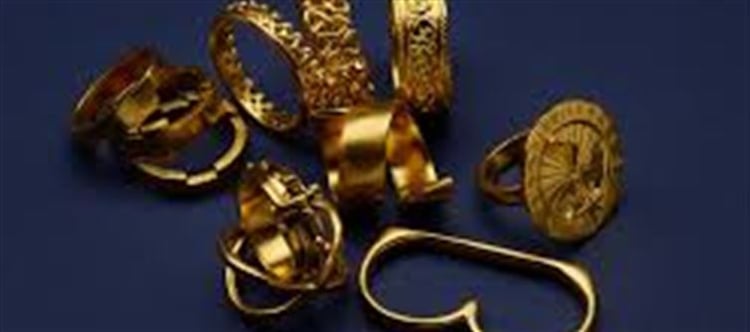


Gold is universally valued for its purity, beauty, and durability. Among all gold grades, 24-karat gold is considered the purest form, containing nearly 99.9% gold. However, despite its high value, it is rarely used in jewelry. Here’s why.
1. Understanding gold Purity: Karat System
The karat (K) system measures the purity of gold:
- 24K Gold: 99.9% pure gold
- 22K Gold: 91.6% gold, 8.4% other metals (like copper or silver)
- 18K Gold: 75% gold, 25% alloy
- 14K Gold: 58.3% gold, 41.7% alloy
While 24K gold represents maximum purity, higher purity comes with certain limitations, especially for jewelry.
2. Why 24-Karat gold Is Not Ideal for Jewelry
a. Softness and Malleability
- Pure gold is extremely soft and bends or scratches easily.
- Jewelry made of 24K gold is prone to deformation, breaking, or losing shape with daily wear.
b. High Maintenance
- 24K gold jewelry requires frequent polishing and careful handling.
- It can be damaged by chemicals like perfumes, lotions, or household cleaners.
c. Limited Designs
- Because it is soft, 24K gold cannot support intricate designs or heavy embellishments.
- Jewelers prefer harder alloys to create durable and ornate pieces.
3. Why Jewelers Prefer 22K or 18K Gold
- Durability: Alloys increase hardness, making jewelry resistant to wear and tear.
- Shape Retention: Mixed metals help maintain the shape and structure of rings, bracelets, and necklaces.
- Versatility in Design: Allows for intricate patterns, gemstone settings, and heavy ornaments without risk of bending.
4. Investment vs. Wearable Gold
- 24K Gold: Best suited for investment purposes, such as coins, bars, or bullion. Its value depends on purity and market price.
- 22K / 18K Gold: Ideal for everyday jewelry, balancing purity with practicality and longevity.
Tip: Buying 24K gold jewelry is rare except in regions where it is traditional (e.g., certain Middle Eastern or Asian cultures), but it may wear out faster.
5. Conclusion
While 24K gold is the purest and most valuable, its softness and low durability make it unsuitable for most jewelry. Jewelers prefer 22K or 18K gold for crafting rings, necklaces, and bracelets that last longer and withstand everyday use.
Bottom line: For investment, go with 24K gold; for wearable jewelry, choose alloys that balance purity, beauty, and strength.
Disclaimer:
The views and opinions expressed in this article are those of the author and do not necessarily reflect the official policy or position of any agency, organization, employer, or company. All information provided is for general informational purposes only. While every effort has been made to ensure accuracy, we make no representations or warranties of any kind, express or implied, about the completeness, reliability, or suitability of the information contained herein. Readers are advised to verify facts and seek professional advice where necessary. Any reliance placed on such information is strictly at the reader’s own risk.
 click and follow Indiaherald WhatsApp channel