


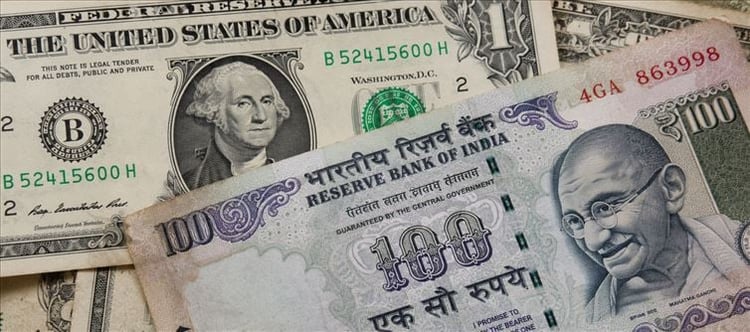

Back in 2010, one US dollar cost around ₹45.70.
Today, it’s around ₹96.
Think about that for a second.
In just over a decade, the indian rupee has lost more than half its value against the US dollar. And while the change happened gradually enough that many people barely noticed year to year, the long-term chart tells a far more brutal story.
This isn’t just about numbers on a forex screen.
It affects fuel prices, electronics, foreign education, overseas travel, imports, global business, inflation, and even the cost of everyday life. Every time the rupee weakens sharply against the dollar, india effectively pays more for anything tied to international markets — especially oil.
And the climb has been relentless.
From ₹45 in 2010 to ₹53 in 2012. Then ₹60. Then ₹70. Then ₹80. Now pushing toward ₹100 territory.
The terrifying part is how normalized it has become.
A whole generation of indians grew up hearing “the rupee is falling” so often that it stopped sounding alarming. But currency depreciation on this scale quietly changes the psychology of an economy. Imports become costlier. Savings lose global purchasing power. Studying abroad becomes brutally expensive. Even middle-class aspirations start feeling heavier.
Of course, this isn’t a uniquely indian problem. The US dollar has strengthened globally for years due to America’s economic dominance, high interest rates, energy power, and its role as the world’s reserve currency. Many currencies have struggled against it.
But the emotional impact hits differently when people remember a time when ₹50 felt expensive for one dollar.
Now ₹100 no longer sounds impossible.
And that’s what makes currency charts so psychologically savage. They expose slow-moving economic realities that politicians, headlines, and slogans often try to soften. Year by year, the numbers barely shock anyone.
Until one day you zoom out.
And realize how far things have actually moved.
 click and follow Indiaherald WhatsApp channel