



The internet was once seen as the last open space — a place where dissent could survive even when other platforms fell silent. That space now feels increasingly fragile.
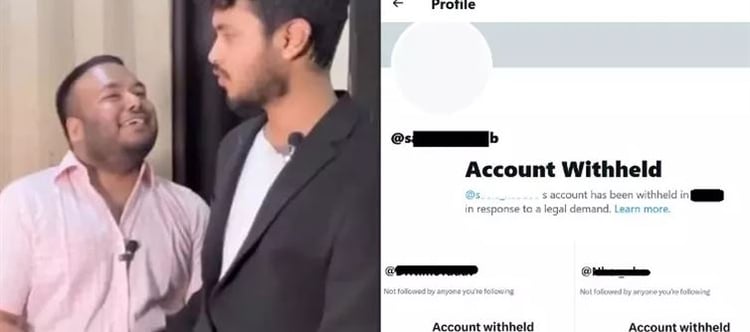
In recent months, multiple instances have raised serious concerns. A viral satirical video targeting political leadership was taken down after a legal request. Several accounts known for criticism or satire vanished overnight. Posts sharing controversial but newsworthy material were withheld without a clear explanation. In each case, one thing stood out — there was no transparency, no prior notice, and no real opportunity for users to respond.
That’s where the deeper issue begins.
India’s IT framework does provide a mechanism to block unlawful content under Section 69A, with built-in safeguards like recorded reasons and a structured review process. These safeguards were crucial in convincing the supreme court to uphold the law.
But increasingly, another route is being used.
Section 79(3)(b), originally meant to define intermediary liability, is now functioning as a fast-track takedown tool. Authorities can flag content as “unlawful,” and platforms, fearing legal consequences, often act immediately. No hearing. No detailed order. Sometimes, not even clarity on what rule was violated.
The introduction of centralized systems like the Sahyog Portal has further streamlined this process — but also raised concerns about overreach. A wide range of authorities can now initiate takedowns, and platforms are under pressure to comply quickly, sometimes within hours.
To be clear, regulating harmful content is necessary. Misinformation, hate speech, and illegal material must be addressed. But the concern isn’t about regulation — it’s about how it’s done.
Because when the line between unlawful content and uncomfortable speech becomes blurred, the risk is obvious.
The internet doesn’t just lose noise.
It loses dissent.
And when dissent disappears quietly, democracy doesn’t collapse overnight.
It simply stops being heard.
 click and follow Indiaherald WhatsApp channel