


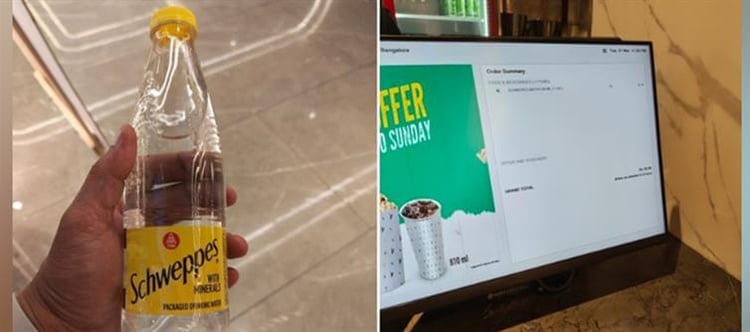

It’s the small things that sting the most. You walk into a cinema, excited for a movie, and suddenly a basic necessity—water—costs ₹65 for just 500 ml. The immediate reaction? “This is daylight robbery.” But step back, and the story isn’t as simple as it looks. Behind the outrage lies a mix of regulation, consumer choice, and plain old business strategy.
💣 WHAT’S REALLY GOING ON INSIDE CINEMAS:
▪️ The ₹65 Shock Factor: Yes, packaged drinking water inside theatres is undeniably expensive. A bottle that costs ₹20–₹25 outside often sells for ₹70 or more inside. The reason is straightforward—high-margin retailing, where cinemas rely heavily on food and beverage sales to boost profits.
▪️ But Here’s What Most people Don’t Know: Every cinema is mandated to provide free RO drinking water. It’s available on request, usually with paper cups. The catch? It’s not always prominently displayed, so most people simply don’t ask.
▪️ You’re Not Forced to Buy: Contrary to popular belief, cinemas generally do not prohibit you from carrying your own water bottle. That means the choice to spend ₹65 is often driven more by convenience than compulsion.
▪️ Why the High Prices Then? Ticket revenues are often shared with film distributors, leaving theatres with thinner margins on tickets. Food and beverages—especially items like water, popcorn, and soft drinks—become their primary profit drivers.
▪️ Airport Comparison Isn’t Apples-to-Apples: Schemes like affordable chai at airports under UDAN are policy-driven exceptions. Cinemas operate under a different commercial model, with fewer pricing controls.
🚨 THE BIGGER PICTURE:
It’s easy to call it exploitation—and sometimes, the pricing does feel excessive. But not every high price equals unfair practice. The real issue isn’t just cost—it’s awareness and choice.
Next time you’re at the movies, remember: you’re not just paying for water—you’re paying for convenience, margins, and a system designed to make you spend.
 click and follow Indiaherald WhatsApp channel