


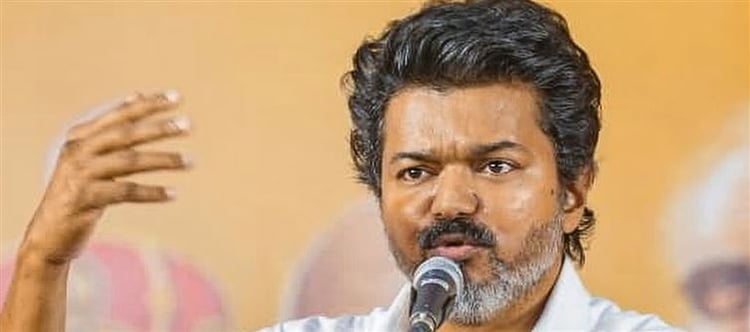

For a party that positions itself as a fresh alternative, TVK is already attracting criticism that feels anything but new. In fact, what stands out isn’t just disagreement with its politics, but the growing perception of inconsistency between what it claims and what it practices. And that gap is beginning to raise uncomfortable questions.
Start with discipline, or the lack of it. Political movements thrive on structure, messaging clarity, and visible leadership. What critics point out, however, is a pattern that feels scattered and reactive rather than focused. The tone often swings sharply, especially during campaign moments that would normally demand restraint and strategy.
Then comes the messaging paradox. A platform built around countering hate is now being accused of leaning into the very thing it claims to oppose. Observers argue that instead of cooling political discourse, the rhetoric at times appears to intensify it, particularly when addressing opponents or framing narratives.
The third layer is perception management. There is a growing narrative suggesting that external forces are obstructing campaign efforts. Supporters see this as a genuine challenge. Critics, however, view it differently. They argue that such claims risk becoming a convenient explanation for limited visibility or inconsistent engagement on the ground.
And finally, the leadership question. In politics, presence matters. Campaigns are not just about statements; they are about showing up, taking positions, and owning outcomes. When that visibility appears selective, it inevitably invites scrutiny, speculation, and debate.
What makes this moment significant is not just the criticism itself, but how quickly it has surfaced. For a party still shaping its identity, the stakes are high. Because in politics, perception doesn’t wait. It forms fast, spreads faster, and once it settles, it is incredibly hard to rewrite.
 click and follow Indiaherald WhatsApp channel