
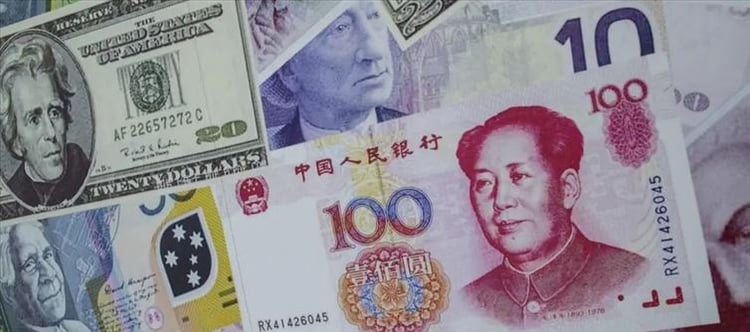


In a world where oil is as much about geopolitics as it is about energy, even the currency used to pay for it matters. And right now, india is making a quiet but significant move. Instead of the traditional dollar route, indian refiners are reportedly paying for Iranian oil in Chinese yuan — a shift that says more about strategy than savings.
1. A CALCULATED MOVE AROUND SANCTIONS
With U.S. sanctions on iran still shaping global trade, dollar-based transactions come with risks — delays, scrutiny, even blocks. By routing payments in yuan through ICICI Bank’s shanghai branch, indian refiners are effectively stepping outside that high-risk zone.
2. LESS ABOUT DISCOUNTS, MORE ABOUT ACCESS
Contrary to what many assume, this isn’t about getting cheaper oil. There’s no clear evidence of price cuts. The real advantage? Ensuring the deal happens at all, despite geopolitical restrictions.
3. CUTTING COSTS AND REDUCING FRICTION
Using yuan eliminates multiple layers — no dollar conversion, fewer intermediary banks, and faster settlement. It’s a cleaner, more efficient transaction pipeline for both buyer and seller.
4. A WIN-WIN FOR BOTH SIDES
Iran receives yuan that it can immediately use for imports from China, avoiding forex losses. india, meanwhile, reduces its dependence on the dollar — a subtle but important hedge in volatile currency markets.
5. PART OF A BIGGER TREND
This isn’t an isolated move. Similar mechanisms have already been used in the Russian oil trade. The message is clear: countries are increasingly exploring alternatives to the dollar in strategic sectors like energy.
BOTTOM LINE
This isn’t just about oil — it’s about control, flexibility, and navigating a complex global system. By shifting currencies, india isn’t rewriting the rules overnight, but it is quietly learning how to play the game on its own terms.
 click and follow Indiaherald WhatsApp channel