



Introduction
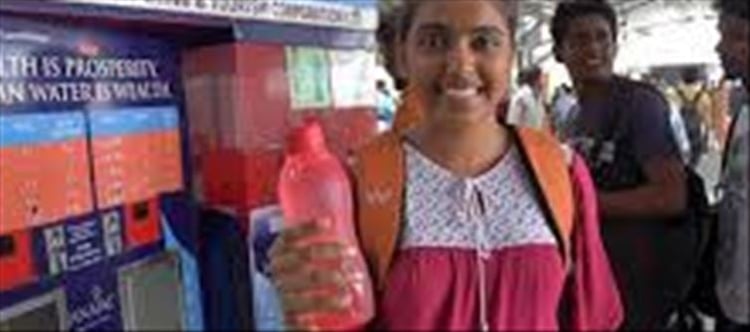
To improve access to safe drinking water in public spaces, the delhi government has recently expanded the installation of Water ATMs across the city. These machines are designed to provide clean, filtered drinking water—often chilled—at key locations such as schools, markets, metro stations, and hospitals. The initiative aims to ensure that no citizen faces difficulty in getting safe water, especially during extreme summer conditions.
What Is a Water ATM?
A Water ATM is an automated drinking water dispensing machine that supplies purified water to the public. Despite the name, it is not a banking ATM, but works on a similar “self-service” concept.
Depending on the model, water ATMs may:
- Dispense free or low-cost drinking water
- Provide measured quantities (like 150 ml, 1 litre, or daily limits)
- Operate using smart cards, QR codes, or manual buttons
These systems are installed as part of public welfare infrastructure by authorities like the delhi government and municipal bodies.
Where Are Water ATMs Being Installed?
Water ATMs are being set up in high-traffic and water-scarce areas such as:
- Government schools
- Bus terminals and metro stations
- Hospitals and public parks
- Markets and densely populated neighborhoods
The goal is to ensure easy and equal access to drinking water for everyone, especially in areas that struggle with pipeline supply.
How Does a Water ATM Work?
1. Water Collection and Purification
Water is sourced from municipal supply or borewells and then purified using:
- Reverse Osmosis (RO) systems
- Ultra-filtration and carbon filters
- UV treatment for disinfection
This ensures the water is safe for drinking.
2. Storage System
The purified water is stored in large tanks inside or connected to the ATM unit. Some modern systems can hold thousands of litres and are monitored digitally.
3. Dispensing Mechanism
Users can collect water by:
- Inserting a smart card or QR code
- Using a push-button system
- Sometimes accessing it free or at nominal charges
Many systems also limit daily usage (for example, a fixed quantity per person).
4. Monitoring and Maintenance
Advanced Water ATMs are connected to monitoring systems that:
- Track water levels in real time
- Alert officials for maintenance
- Ensure filter replacement and hygiene standards
Key Features of delhi Water ATMs
- Supply of clean and chilled drinking water
- 24/7 availability in many locations
- IoT-based monitoring in modern units
- Focus on underserved and high-footfall areas
- Public-private partnership (PPP) model in several installations
According to official plans, the government is expanding these units across the city to improve hydration access during peak summer months.
Benefits of Water ATMs
1. Better Access to Safe Water
People in areas with weak pipeline supply can get reliable drinking water easily.
2. Reduced Dependence on Tankers
Water ATMs help reduce reliance on water tankers in underserved communities.
3. health Protection
Proper filtration reduces the risk of waterborne diseases.
4. Convenience in Public Places
Travelers, students, and workers can access water instantly in busy locations.
Challenges and Concerns
While the idea is promising, there are some challenges:
- Maintenance and filter replacement issues
- Machine downtime if not monitored properly
- Power and water supply dependency
- Need for regular quality checks
Past experiences show that long-term success depends heavily on maintenance and management efficiency.
Conclusion
Water ATMs in delhi represent a modern step toward improving urban water accessibility. By combining purification technology with automated dispensing, the system aims to ensure that safe drinking water is available to all, especially in crowded and water-stressed areas. However, consistent maintenance and strong monitoring are essential for the initiative to remain effective in the long run.
Disclaimer:
The views and opinions expressed in this article are those of the author and do not necessarily reflect the official policy or position of any agency, organization, employer, or company. All information provided is for general informational purposes only. While every effort has been made to ensure accuracy, we make no representations or warranties of any kind, express or implied, about the completeness, reliability, or suitability of the information contained herein. Readers are advised to verify facts and seek professional advice where necessary. Any reliance placed on such information is strictly at the reader’s own risk.
 click and follow Indiaherald WhatsApp channel