

-

Acer
-
Apple
-
Asus
-
Cardamom
-
Dell
-
Dry Fruits
-
festival
-
Friday
-
garlic
-
Green Chillies
-
HP
-
HTC
-
Huawei
-
Idea
-
India
-
Indian
-
Industries
-
Industry
-
Iron
-
Jaggery
-
June
-
Kerala
-
LG
-
Motorola
-
Nokia
-
oil
-
READ
-
Red
-
Redmi
-
Research and Analysis Wing
-
salt
-
Samsung
-
Sony
-
SPORTS
-
Sugar
-
sun
-
Tamil
-
TECHNOLOGY
-
Temper
-
Vitamin
-
Vitamin C
-
Writer

Raw mangoes — kairi, maanga, kaache aam — are India's oldest heat-beating ingredient, packed with Vitamin C and natural electrolytes. According to the Indian Council of Medical Research, raw mango's citric and malic acids aid hydration far better than most commercial drinks. These seven regional recipes unlock the fruit's full summer potential.
Here is a small, embarrassing truth about Indian kitchens in 2026: we spend serious money on electrolyte powders, Korean probiotic drinks, and high-concept "hydration multipliers" — while the single most effective cooling ingredient in the subcontinent sits in a basket at the neighbourhood vendor's cart, going for less than the price of a chai. The raw mango. The kairi. The fruit your grandmother could turn into six different weapons against the heat before lunch, without once consulting a recipe reel.
It is peak kairi season right now. According to the National Horticulture Board, India produces over 20 million tonnes of mangoes annually, with the tart, unripe green varieties flooding wholesale mandis from late May through mid-July at rates between Rs 30 and Rs 60 per kilogram — a price that makes the raw mango, gram for gram, one of the most affordable superfoods on any Indian counter. And yet, household consumption of traditional raw mango preparations has been steadily displaced by packaged alternatives. India Herald's read of what is quietly being lost is this: the raw mango is not just a fruit — it is a complete culinary system, and these seven recipes are its operating manual.
1. Aam Panna — The Drink That Outperforms Your Sports Bottle
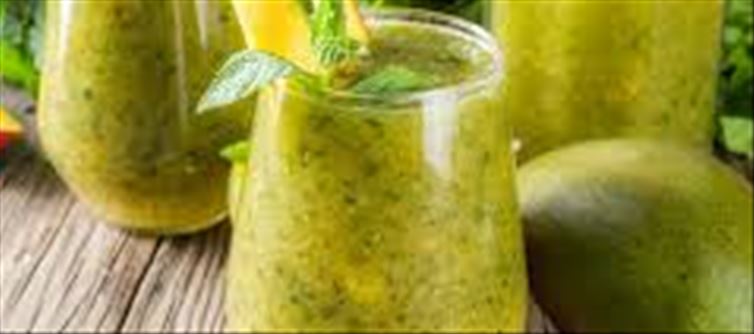
Roast or boil two raw mangoes until soft. Scoop the pulp, blend with jaggery (or sugar), roasted cumin, black salt, and fresh mint. Dilute to taste. What you hold in your glass is, per the Indian Council of Medical Research's nutritional database, a natural concentrate of Vitamin C, citric acid, and malic acid — compounds that promote fluid absorption more effectively than plain water. The ICMR notes that citric acid from natural fruit sources enhances non-heme iron absorption as well. A single tall glass after a scorching commute does what an expensive electrolyte sachet promises, for a fraction of the cost and with none of the artificial sweeteners.
2. Raw Mango Rice (Maanga Sadam) — Tamil Nadu's One-Pan Genius
Grate one large raw mango into cooked, cooled rice. Temper mustard seeds, urad dal, curry leaves, dried red chillies, and peanuts in sesame oil, and fold through. According to food historian K.T. Achaya's authoritative Indian Food: A Historical Companion, the pairing of sour fruit with rice and tempered legumes is among the oldest documented South Indian meal formats, designed to be eaten at room temperature — the original packed lunch, centuries before the tiffin box industry existed. It travels, it does not spoil in the heat for hours, and a single plate is a complete meal.
3. Maanga Thokku — Andhra-Tamil Pickle That Outlasts the Season
Grate raw mango, cook down with salt, red chilli powder, and a heavy tempering of mustard, fenugreek, and sesame oil until thick and jammy. This is the condiment that turns plain curd rice into an event. As the Indian Institute of Food Processing Technology has documented, the combination of high acidity, oil immersion, and salt creates a natural preservation environment — a well-made thokku, stored in a clean glass jar, will last the entire monsoon and beyond without refrigeration.
4. Sol Kadhi — Konkani Coastal Wisdom in a Bowl
While not a raw mango dish in the strictest sense, the Konkan coast's sol kadhi — kokum steeped in coconut milk, tempered with garlic and green chillies — often gains its tart backbone from a splash of raw mango juice in households from Ratnagiri to Goa. According to food writer and Konkan cuisine authority Saee Koranne-Khandekar, this addition is an older, pre-kokum-availability variation that persists in villages. The result is a digestive, cooling soup that could hold its own on any modern wellness menu.
5. Kairi Dal — Gujarat's Tart Twist on the Everyday
Add chunks of raw mango to a bubbling pot of toor dal, tempered with mustard, cumin, hing, and jaggery. The Gujarati instinct for balancing sweet, sour, and spicy finds its purest expression here. According to nutritionist Rujuta Diwekar's published dietary guidelines, the presence of Vitamin C from the raw mango significantly improves the bioavailability of the iron and zinc in the dal — making this not just delicious but a clinically smarter way to eat your lentils.
6. Kaache Aam Ka Murabba — Uttar Pradesh's Slow-Cooked Preserve
Whole small raw mangoes, pricked and soaked in brine, then slow-cooked in sugar syrup infused with cardamom and saffron until they are translucent, sweet-tart jewels. As documented in Pratibha Karan's Biryani to Boardroom and oral histories from Lucknow's Chowk, the murabba was once a staple of Unani-influenced household pharmacopeias — prescribed for digestive sluggishness and considered a tonic. In 2026, it remains one of the most elegant preserves in the Indian repertoire, and one jar will outlast two monsoons if the syrup ratio is right.
7. Mango Pachadi — Kerala and Andhra's Festival Chutney
Grated raw mango cooked with jaggery, green chillies, and ground coconut, tempered with mustard and curry leaves. Served on Ugadi in Andhra and Vishu in Kerala, the pachadi is designed — according to the cultural mandate described in Achaya's work — to contain all six rasas (tastes) in a single spoonful: sweet, sour, salty, bitter, pungent, and astringent. It is, symbolically and literally, a taste of life's full spectrum on a single plate.
What connects all seven is a single, powerful idea the modern Indian kitchen is in danger of forgetting: that an unripe fruit — cheap, abundant, perishable only if you let it be — was once the backbone of an entire season's eating. Each recipe is a regional answer to the same universal question: how do you feed a family well when the heat makes cooking unbearable and appetite scarce? The raw mango's natural tartness stimulates appetite, its acids aid digestion in humid weather, its pectin thickens without starch, and its shelf-life, when handled with salt, oil, or sugar, extends across months.
The India Meteorological Department recorded June 2026 as among the warmest in recent years, with several northern states logging temperatures above 45°C. Against that reality, the raw mango is not nostalgia — it is infrastructure. A kitchen that stocks five kilograms of kairi in early June and knows these seven preparations is a kitchen that has solved the summer, for less than the cost of a single air-conditioning bill adjustment.
The real question is not whether these recipes work. They have worked for centuries. The question is why we stopped trusting them — and whether, one scorching July at a time, we might start again.
More from India Herald



Key Takeaways
- Raw mangoes cost Rs 30–60/kg in peak season and contain Vitamin C, citric acid, and malic acids that, per ICMR, aid hydration and iron absorption better than most commercial electrolyte products.
- Seven regional recipes — aam panna, raw mango rice, maanga thokku, sol kadhi, kairi dal, murabba, and mango pachadi — each solve the summer differently: drink, preserve, condiment, one-pan meal.
- The raw mango's acidity, pectin, and compatibility with salt/oil/sugar make it one of the few Indian ingredients that is simultaneously a fresh cooking staple and a long-shelf-life preserve — a natural hedge against the season's worst.
- India produces over 20 million tonnes of mangoes annually (National Horticulture Board), yet traditional raw mango preparations are being displaced by packaged alternatives — a culinary loss with real nutritional cost.
By the Numbers
- India produces over 20 million tonnes of mangoes annually — National Horticulture Board
- Raw mango retails at Rs 30–60 per kg in peak June–July season across Indian mandis
- ICMR nutritional data confirms raw mango's citric and malic acids enhance fluid absorption and non-heme iron bioavailability
- IMD recorded June 2026 as among the warmest in recent years, with several northern states exceeding 45°C
 click and follow Indiaherald WhatsApp channel