


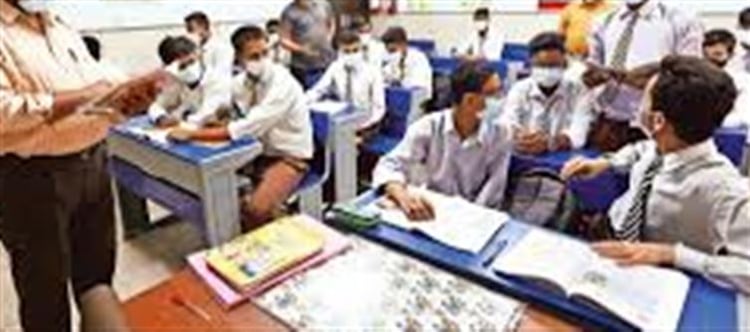

The Government of India has introduced a major reform in the vocational training system, making 150 hours of on‑the‑job training (OJT) compulsory for students enrolled in Industrial Training Institutes (ITIs) under the Craftsmen Training Scheme (CTS). This move aims to strengthen practical skills and improve employability of ITI graduates across the country.
What Is the New Requirement?
Under the revised guidelines issued by the Directorate General of Training (DGT) — which operates under the Ministry of Skill Development and Entrepreneurship — every ITI trainee must complete 150 hours of structured practical training in a real workplace environment. This practical experience is intended to complement classroom learning, helping students gain exposure to modern industrial tools, machines and workplace practices.
Students become eligible for this on‑the‑job training only after completing at least three months of regular ITI training at their institute.
Why Was This Change Made?
Previously, most ITI training happened within institute campuses using the equipment available there. This often limited students’ exposure to real‑world industrial environments and technologies, which meant that many trainees still needed further training after joining jobs.
In response, the government has:
- Reduced annual classroom training hours from 1,600 to 1,200 to make space for industry exposure.
- Introduced practical workplace training to bridge the gap between theory and industry requirements.
- Ensured that trainees gain hands‑on experience that aligns with current workplace demands, improving their confidence and job readiness.
Alternative for Those Unable to Do OJT
In situations where on‑the‑job training placements are not available, trainees can instead complete trade‑related group project work. This project must still involve practical application of skills and will be evaluated similarly.
Performance during the practical training or project will be assessed and reflected in the trainee’s marks and skill records, which can help them when applying for jobs.
Implementation and industry Linkages
The DGT has directed ITI institutes and state training authorities to collaborate closely with industries capable of providing quality training opportunities. Additionally, states have been advised to arrange travel, accommodation and insurance support for trainees posted to distant training locations so that they can complete their OJT without difficulties.
Expected Impact
According to ministry officials, this reform will:
- Encourage stronger industry‑institution linkages.
- Make ITI trainees more industry‑ready and employable.
- Align vocational training with modern industry practices.
- Strengthen the overall Skill india Mission by producing a workforce trained in real workplace scenarios.
Disclaimer:
The views and opinions expressed in this article are those of the author and do not necessarily reflect the official policy or position of any agency, organization, employer, or company. All information provided is for general informational purposes only. While every effort has been made to ensure accuracy, we make no representations or warranties of any kind, express or implied, about the completeness, reliability, or suitability of the information contained herein. Readers are advised to verify facts and seek professional advice where necessary. Any reliance placed on such information is strictly at the reader’s own risk.
 click and follow Indiaherald WhatsApp channel