


Introduction
A severe potato price crash in West Bengal has pushed farmers into distress, with many reportedly dumping their harvest due to falling prices as low as ₹3–₹8 per kg. The situation has emerged after a bumper crop and storage bottlenecks, creating a supply glut across major producing districts.
📉 What Happened?
According to recent reports, districts such as Singur, Hooghly, and Purba Bardhaman have seen an unusually high potato yield this season. However, instead of benefiting farmers, the surplus has triggered a steep price collapse.
Key developments:
- Farm-gate prices dropped to ₹3–₹8 per kg in some areas
- Production costs are significantly higher than market rates
- Farmers are unable to recover even basic input costs
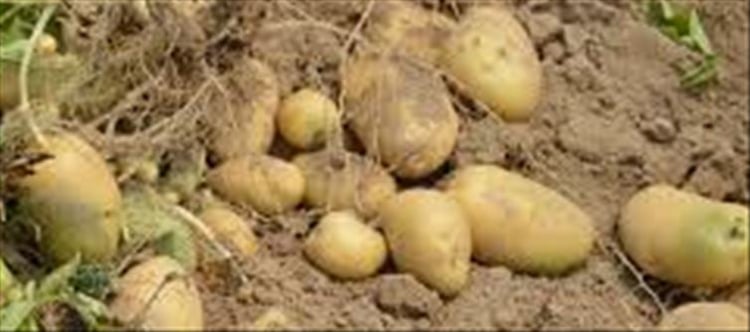
As a result, many farmers are dumping potatoes on roadsides or leaving them unharvested due to lack of buyers and storage space.
🧺 Why Are Prices Collapsing?
1. Bumper Harvest
This year’s production has been exceptionally high, leading to oversupply in local markets.
2. Cold Storage Crisis
- Cold storages are reportedly already full
- Farmers cannot store excess produce for later sale
- Some estimate that clearing existing stock could take over a year
3. Restricted Movement & Market Saturation
Farmers report difficulties in moving produce outside the state, while other states also have strong production, reducing demand.
💸 Farmers’ Distress on the Ground
Farmers have expressed serious financial strain:
- Production cost: ~₹15–₹20 per kg (varies by region)
- Selling price: as low as ₹3–₹5 per kg in some cases
- Losses leading to distress sales and wastage
One major concern is that storage and transport costs are adding further losses, forcing farmers to abandon produce altogether.
📊 Bigger Agricultural Concern
This is not an isolated incident. Across India, similar price crashes in perishable crops have been reported due to:
- Lack of Minimum Support Price (MSP) coverage for vegetables
- Weak procurement systems
- Inadequate cold chain infrastructure
- Market dependence on middlemen
Reports also suggest that the government is considering intervention measures and procurement support in some regions to stabilize prices.
⚠️ Impact on Farmers
The crisis has led to:
- Heavy financial losses for small and marginal farmers
- Waste of perishable food due to lack of buyers
- Increased debt pressure
- Growing demand for MSP support and loan waivers
Farmer groups are urging government action, including guaranteed minimum prices and expanded procurement systems.
🧠 Conclusion
The potato price crash in West bengal highlights a recurring problem in indian agriculture—production success without market stability. While farmers achieved a bumper harvest, the lack of storage, weak price support, and market imbalance have turned abundance into crisis.
Without structural reforms in cold storage, procurement, and price protection, such distress cycles are likely to repeat.
Disclaimer:
The views and opinions expressed in this article are those of the author and do not necessarily reflect the official policy or position of any agency, organization, employer, or company. All information provided is for general informational purposes only. While every effort has been made to ensure accuracy, we make no representations or warranties of any kind, express or implied, about the completeness, reliability, or suitability of the information contained herein. Readers are advised to verify facts and seek professional advice where necessary. Any reliance placed on such information is strictly at the reader’s own risk.
 click and follow Indiaherald WhatsApp channel