



Introduction
India’s healthcare system is large, complex, and constantly under pressure from high population demand, uneven infrastructure, and rising chronic diseases. While challenges persist, medical technology (MedTech) is emerging as a powerful force capable of improving access, efficiency, and quality of care.
From AI diagnostics to telemedicine and smart hospitals, MedTech is increasingly being seen as a “system-level treatment” for India’s long-standing healthcare gaps.
🏥 The Core Problems in India’s health System
Before understanding the role of technology, it’s important to identify the structural issues:
1. Uneven Access to Healthcare
- Urban areas have advanced hospitals
- Rural areas often lack specialists and diagnostics
2. Shortage of Medical Professionals
- Doctor-to-patient ratio remains below WHO recommendations in many regions
3. Delayed Diagnosis
- Many diseases are detected at late stages due to limited screening
4. High Out-of-Pocket Costs
- A large share of healthcare spending is still paid directly by patients
5. Fragmented Data Systems
- Lack of integrated patient records across hospitals
🤖 How Medical technology Is Transforming Healthcare
1. AI-Powered Diagnostics
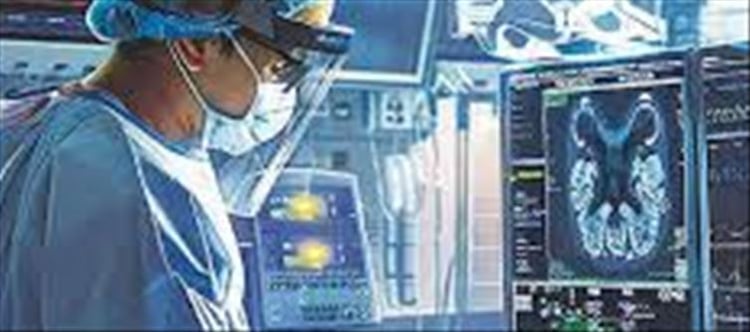
Artificial Intelligence is helping doctors detect diseases faster and more accurately.
Examples:
- AI-based X-ray and MRI analysis
- Early detection of cancer, TB, and diabetic retinopathy
- Predictive health risk scoring
👉 Impact: Faster diagnosis, reduced human error, earlier treatment
2. Telemedicine & Remote Care
Telemedicine has expanded significantly after COVID-19.
Key benefits:
- Video consultations with doctors
- Rural patients accessing urban specialists
- Reduced travel and waiting time
Platforms like eSanjeevani have enabled millions of consultations in India.
3. wallet PLATFORM' target='_blank' title='digital-Latest Updates, Photos, Videos are a click away, CLICK NOW'>digital health Records (ABDM)
India’s Ayushman Bharat wallet PLATFORM' target='_blank' title='digital-Latest Updates, Photos, Videos are a click away, CLICK NOW'>digital Mission (ABDM) is building a unified health ecosystem.
Features:
- Unique health ID for patients
- Digital medical records across hospitals
- Easy sharing of prescriptions and reports
👉 Impact: Continuity of care and reduced duplication of tests
4. Wearables & Remote Monitoring
Devices like smartwatches and health trackers now monitor:
- Heart rate
- Oxygen levels
- Sleep patterns
- Activity levels
👉 Impact: Early warning systems for chronic diseases like diabetes and hypertension
5. Robotics and Smart Surgery
Modern hospitals are adopting:
- Robotic-assisted surgeries
- Minimally invasive procedures
- Precision-guided operations
👉 Impact: Faster recovery and reduced surgical risk
6. Predictive Healthcare Analytics
Hospitals are using data analytics to:
- Predict disease outbreaks
- Identify high-risk patients
- Optimize hospital resource allocation
👉 Impact: Shift from reactive to preventive healthcare
🇮🇳 India’s Unique Opportunity in MedTech
India is uniquely positioned to benefit from MedTech due to:
- Large wallet PLATFORM' target='_blank' title='digital-Latest Updates, Photos, Videos are a click away, CLICK NOW'>digital adoption (UPI-style healthcare systems possible)
- Strong IT and AI ecosystem
- Government push for wallet PLATFORM' target='_blank' title='digital-Latest Updates, Photos, Videos are a click away, CLICK NOW'>digital health infrastructure
- Growing startup ecosystem in healthtech
⚠️ Key Challenges Ahead
Despite progress, challenges remain:
Data Privacy Concerns
- Sensitive health data must be securely protected
Infrastructure Gaps
- Rural connectivity and hospital digitization still uneven
Adoption Barriers
- Training doctors and staff to use new systems
Affordability Issues
- Advanced tech still expensive in some segments
🔮 The Future of indian Healthcare
The future of healthcare in india is likely to be:
- 🧠 AI-first diagnostics
- 📱 Mobile-based primary healthcare
- 🏥 Fully wallet PLATFORM' target='_blank' title='digital-Latest Updates, Photos, Videos are a click away, CLICK NOW'>digital hospital ecosystems
- 🔬 Preventive rather than reactive medicine
- 🌐 Connected rural-urban health networks
In essence, healthcare will shift from “treatment after illness” to “prevention before illness.”
Conclusion
Medical technology is not just upgrading India’s healthcare system—it is actively rebuilding it into a more connected, efficient, and preventive model. While challenges remain in infrastructure and access, the integration of AI, wallet PLATFORM' target='_blank' title='digital-Latest Updates, Photos, Videos are a click away, CLICK NOW'>digital records, and telemedicine offers a realistic path toward a stronger and more inclusive healthcare future.
Disclaimer:
The views and opinions expressed in this article are those of the author and do not necessarily reflect the official policy or position of any agency, organization, employer, or company. All information provided is for general informational purposes only. While every effort has been made to ensure accuracy, we make no representations or warranties of any kind, express or implied, about the completeness, reliability, or suitability of the information contained herein. Readers are advised to verify facts and seek professional advice where necessary. Any reliance placed on such information is strictly at the reader’s own risk.
 click and follow Indiaherald WhatsApp channel