


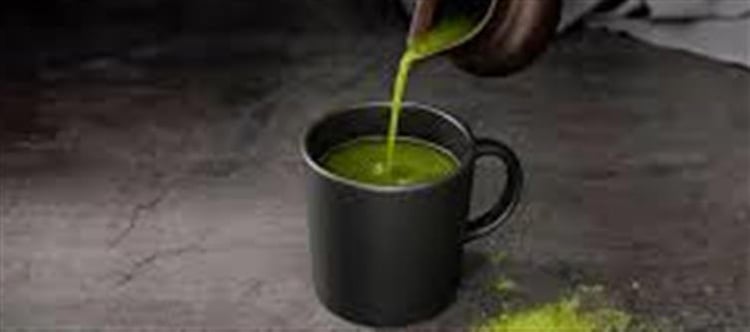

Matcha — the finely ground powder of specially cultivated green tea leaves — has taken the world by storm. Once reserved for traditional Japanese tea ceremonies, it’s now the star of lattes, smoothies, desserts, and even baked goods. But not all matcha is created equal. Understanding the different grades and quality levels is key to getting the best flavor, color, and health benefits.
1️⃣ Ceremonial Grade – The gold Standard
· Best For: Traditional tea preparation, whisked with hot water.
· Quality: Made from the youngest, tender leaves; vibrant green; smooth and delicate taste.
· Flavor Profile: Sweet, subtle, umami-rich, no bitterness.
💡 Tip: Ceremonial grade is expensive but worth it for authentic tea experiences. Avoid using it in baking — heat can diminish its delicate flavor.
2️⃣ Premium Grade – Everyday Luxury
· Best For: Daily tea, lattes, or smoothies.
· Quality: Slightly older leaves than ceremonial grade; still bright green and fine-textured.
· Flavor Profile: Mildly sweet with a hint of vegetal taste.
✨ Pro tip: Perfect for those who want high-quality matcha in beverages without breaking the bank.
3️⃣ Culinary Grade – Cooking & Baking Friendly
· Best For: Lattes, baking, ice creams, and sauces.
· Quality: Made from more mature leaves; darker green to slightly yellowish.
· Flavor Profile: Stronger, more robust, slightly bitter — holds up well with milk, sugar, or heat.
🍰 Tip: Use culinary grade for recipes where the matcha flavor needs to shine through after cooking.
4️⃣ Ingredient-Grade or Food-Grade – mass Market Use
· Best For: Smoothies, matcha snacks, commercial use.
· Quality: Lowest grade; may include older leaves and stems; less vibrant green.
· Flavor Profile: Bitter, astringent; best masked in recipes with sweeteners.
⚠️ Note: Avoid using this grade for traditional tea ceremonies — it won’t deliver the same umami experience.
5️⃣ Factors That Define Matcha Quality
· Leaf Age: Younger leaves → sweeter, vibrant powder; older leaves → stronger, more bitter.
· Color: Bright green = higher chlorophyll content; dull green/yellow = lower quality.
· Texture: Fine powder is smoother, easier to whisk, and releases more flavor.
· Origin & Processing: Shade-grown leaves and careful stone-grinding yield the best matcha.
🌿 Bottom Line
Whether you’re sipping a traditional tea or adding matcha to lattes and desserts, choosing the right grade is essential. Ceremonial for sipping, premium for daily drinks, and culinary for recipes — understanding these distinctions ensures optimal taste, aroma, and health benefits.
✨ Matcha isn’t just a trend — it’s an art and a ritual, best enjoyed with the right quality powder!
Disclaimer:
The views and opinions expressed in this article are those of the author and do not necessarily reflect the official policy or position of any agency, organization, employer, or company. All information provided is for general informational purposes only. While every effort has been made to ensure accuracy, we make no representations or warranties of any kind, express or implied, about the completeness, reliability, or suitability of the information contained herein. Readers are advised to verify facts and seek professional advice where necessary. Any reliance placed on such information is strictly at the reader’s own risk..jpg)
 click and follow Indiaherald WhatsApp channel