


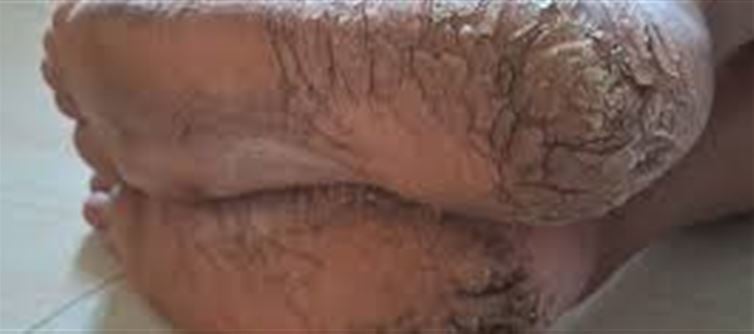

Cracked heels are a common foot problem, especially in winter, caused by dry skin, pressure, and lack of moisture. One of the most effective and simple remedies is glycerin, a natural humectant that draws moisture into the skin and softens rough patches.
Why Glycerin Works
Moisturizes Deeply: Glycerin penetrates the skin and locks in moisture.
Softens Hard Skin: Regular use helps smoothen rough and calloused areas.
Promotes Healing: Keeps skin supple, reducing the risk of cracks and infections.
Step-by-Step Guide to Apply Glycerin on Cracked Heels
Clean Your Feet
Wash your feet with lukewarm water to remove dirt and dead skin.
Pat dry gently with a soft towel.
Exfoliate (Optional)
Use a pumice stone or foot scrub to lightly remove thickened skin.
Apply Glycerin
Take a few drops of glycerin and massage it into the cracked heels.
Ensure the entire heel and rough areas are coated.
Seal Moisture
For best results, apply a thin layer of coconut oil or petroleum jelly over the glycerin.
This helps lock in moisture overnight.
Cover Your Feet
Wear cotton socks to keep the feet soft and allow the glycerin to work effectively.
Repeat Daily
Apply glycerin every night for 1–2 weeks to see noticeable improvement.
Extra Tips
Drink plenty of water to keep skin hydrated from within.
Avoid walking barefoot on hard surfaces for prolonged periods.
Use a mild soap to prevent further drying of the feet.
Disclaimer:
The views and opinions expressed in this article are those of the author and do not necessarily reflect the official policy or position of any agency, organization, employer, or company. All information provided is for general informational purposes only. While every effort has been made to ensure accuracy, we make no representations or warranties of any kind, express or implied, about the completeness, reliability, or suitability of the information contained herein. Readers are advised to verify facts and seek professional advice where necessary. Any reliance placed on such information is strictly at the reader’s own risk.
.jpg)
 click and follow Indiaherald WhatsApp channel