


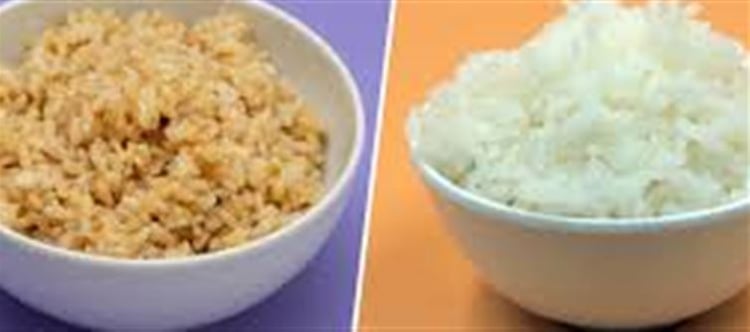

Rice is a staple food for billions of people worldwide, but not all rice is created equal. Brown rice and white rice are the two most common varieties, and understanding the differences between them can help you make healthier dietary choices.
🌾 Nutritional Differences
Brown Rice: This is a whole grain that retains the bran, germ, and endosperm, making it rich in fiber, vitamins, and minerals. It contains more magnesium, phosphorus, B vitamins, and antioxidants compared to white rice.
White Rice: This is milled and polished, removing the bran and germ, which reduces its fiber and nutrient content. While often fortified with some nutrients, it still provides primarily carbohydrates with a higher glycemic index.
🍽 Health Benefits of Brown Rice
Better Blood sugar Control: The high fiber content in brown rice slows digestion and prevents spikes in blood sugar, which is beneficial for people with diabetes or insulin resistance.
Heart Health: Brown rice contains compounds that help reduce cholesterol and improve cardiovascular health.
Weight Management: Its fiber promotes satiety, helping control hunger and support weight management.
⚖️ Advantages of White Rice
Easily Digestible: White rice is easier to digest, making it suitable for people with sensitive digestive systems or during recovery from illness.
Quick Energy Source: It provides fast-absorbing carbohydrates, useful for athletes or those needing an immediate energy boost.
Fortification: In many countries, white rice is fortified with iron and B vitamins, helping prevent nutrient deficiencies.
🥗 Which Should You Eat Daily?
For general health and long-term disease prevention, brown rice is the better choice due to its fiber and nutrient content.
If you have digestive issues or require quick energy, white rice can be consumed in moderation.
A practical approach is to alternate between the two, combining the benefits of both while ensuring dietary variety.
💡 Tips for Healthier Rice Consumption
Pair rice with vegetables, lean proteins, or legumes to make meals balanced and nutrient-dense.
Avoid excessive oil or ghee while cooking rice to keep calorie intake in check.
Consider soaking brown rice before cooking to improve digestibility and nutrient absorption.
Bottom Line:
For everyday consumption, brown rice is generally the healthier option due to its fiber, vitamins, and minerals, which support blood sugar control, heart health, and weight management. White rice can still have a place in your diet occasionally, especially when digestion or quick energy is a priority.
Disclaimer:
The views and opinions expressed in this article are those of the author and do not necessarily reflect the official policy or position of any agency, organization, employer, or company. All information provided is for general informational purposes only. While every effort has been made to ensure accuracy, we make no representations or warranties of any kind, express or implied, about the completeness, reliability, or suitability of the information contained herein. Readers are advised to verify facts and seek professional advice where necessary. Any reliance placed on such information is strictly at the reader’s own risk.
 click and follow Indiaherald WhatsApp channel