


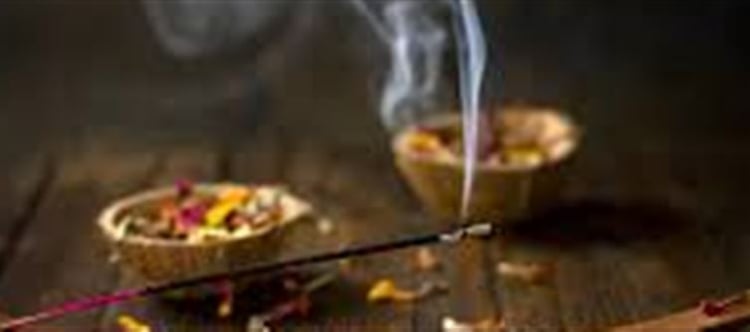

Incense sticks, commonly known as agarbatti in india, are a familiar presence in Hindu homes and temples. Their gentle aroma fills the space during prayers, meditation, and rituals, creating an atmosphere of serenity and devotion. But incense sticks are more than just a fragrant accessory—they carry deep spiritual, cultural, and practical significance in Hindu worship.
1. Historical and Cultural Background
The use of incense in india dates back thousands of years, appearing in sacred texts like the Vedas and Puranas. Incense was traditionally made from a combination of natural resins, herbs, and aromatic woods. In Hindu rituals, it serves multiple purposes:
Invoking divinity: The aroma is believed to attract and please deities.
Purifying the environment: The smoke cleanses the surroundings of negative energies.
Enhancing focus: The fragrance helps devotees concentrate during meditation and prayers.
Fun Fact: Different scents, like sandalwood, jasmine, or rose, are associated with specific deities and occasions.
2. Spiritual Significance
Incense sticks are deeply intertwined with the spiritual ethos of Hinduism:
Symbol of Purity: The rising smoke symbolizes the soul’s journey towards higher consciousness.
Offering to Deities: Lighting incense is considered a sattvic offering, representing devotion and respect.
Aid in Meditation: Fragrances calm the mind, helping practitioners achieve a focused and peaceful state.
Connection to Prana: In yogic philosophy, incense smoke is thought to balance life energy (prana) and promote spiritual clarity.
Tip: Lighting incense before starting rituals enhances the sanctity and mood of the prayer space.
3. Role in Daily Worship and Rituals
In Hindu homes, incense sticks are an integral part of daily worship (puja) and special ceremonies:
Morning and evening Puja: Burning incense signals the start of prayers and invites divine presence.
Festivals and Special Occasions: Specific fragrances are used to honor gods and goddesses during festivals like Diwali, Navratri, and Ganesh Chaturthi.
Temple Worship: In temples, incense creates a sacred atmosphere for devotees and priests.
Meditation and Yoga: The aroma enhances focus, reduces distractions, and deepens meditative experiences.
Tip: The direction of smoke is considered important—allowing it to rise toward the deity or altar symbolizes offering your prayers and intentions.
4. Psychological and Physical Benefits
Beyond spiritual symbolism, incense sticks have practical and therapeutic effects:
Stress Relief: Aromatic scents can reduce anxiety, stress, and mental fatigue.
Air Purification: Certain incense, like sandalwood and camphor, possess antibacterial properties and can cleanse the air.
Enhanced Focus: Fragrances stimulate brain activity, aiding concentration during study or meditation.
Mood Elevation: Pleasant aromas can create a calm, positive environment in the home.
Note: Natural, herbal incense is preferred over synthetic ones to avoid respiratory irritation.
5. Symbolic Interpretation
In hinduism, the elements play a key role in rituals. Burning incense is symbolic of:
Air Element: The smoke represents the air element, carrying prayers to the divine.
Transformation: Solid incense transforms into smoke and fragrance, symbolizing purification and spiritual ascent.
Mindfulness: Lighting incense reminds devotees to focus on intention, devotion, and inner calm.
Tip: Observe the slow rise of smoke mindfully during prayer—it represents surrendering ego and thoughts to a higher power.
6. Practical Guidelines for Using Incense Sticks
Choose Natural Ingredients: Prefer incense made from sandalwood, camphor, or herbal resins.
Safe Placement: Keep incense in a fireproof holder and away from flammable items.
Ventilation: Ensure slight ventilation to avoid excessive smoke indoors.
Timing: Light incense at the start of prayer or meditation to set a sacred ambiance.
Respect Tradition: Light one or three sticks depending on personal or regional practice.
7. Conclusion
Incense sticks in Hindu worship are far more than fragrant decorations—they are symbolic, spiritual, and therapeutic tools that enhance devotion, create a sacred environment, and promote mindfulness. From daily puja to festivals and meditation, the aroma of incense bridges the material and spiritual worlds, reminding devotees of purity, focus, and divine presence.
Remember: Choosing the right scent, lighting it with intention, and observing its symbolism can deepen your connection with the ritual and bring peace, positivity, and spiritual clarity to your daily life.
Disclaimer:
The views and opinions expressed in this article are those of the author and do not necessarily reflect the official policy or position of any agency, organization, employer, or company. All information provided is for general informational purposes only. While every effort has been made to ensure accuracy, we make no representations or warranties of any kind, express or implied, about the completeness, reliability, or suitability of the information contained herein. Readers are advised to verify facts and seek professional advice where necessary. Any reliance placed on such information is strictly at the reader’s own risk.
 click and follow Indiaherald WhatsApp channel