
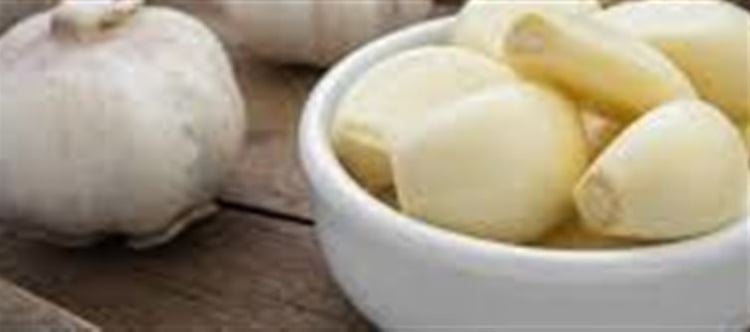


Garlic has long been celebrated in traditional medicine for its heart-healthy properties, with claims that eating it first thing in the morning can reduce cholesterol, improve circulation, and even prevent heart disease. But how much of this is backed by science, and what should you know before adding garlic to your daily routine?
How garlic Affects Cholesterol
Garlic contains allicin, a sulfur-containing compound believed to provide most of its health benefits:
1. Reducing LDL (“Bad”) Cholesterol
o Some studies suggest that regular consumption of garlic can modestly lower LDL cholesterol, which is linked to heart disease.
2. Raising HDL (“Good”) Cholesterol
o Evidence is mixed, but certain studies indicate garlic may help maintain healthy HDL levels, supporting overall cardiovascular health.
3. Preventing Plaque Formation
o Allicin may reduce oxidative stress and inflammation, slowing the buildup of plaque in arteries.
Does Timing Matter?
· Traditional wisdom recommends eating raw garlic on an empty stomach in the morning.
· However, scientific evidence on timing is limited:
o The beneficial compounds are active whether garlic is consumed in the morning or later in the day.
o Consistency and amount appear more important than timing.
Recommended Consumption
· Raw Garlic: 1–2 cloves daily is often suggested for health benefits.
· Supplements: garlic tablets or powders are available, but effectiveness may vary based on allicin content.
· Cooking Considerations: Heat can destroy some active compounds, so adding crushed garlic at the end of cooking helps retain benefits.
Scientific Evidence & Limitations
· Clinical studies show mixed results:
o Some trials report 5–15% reduction in LDL cholesterol.
o Other studies show minimal or no effect.
· Long-term effects are uncertain:
o Most research focuses on short-term outcomes (weeks to months).
· Not a substitute for medication:
o garlic may complement a healthy diet and lifestyle, but it should not replace prescribed cholesterol-lowering drugs.
Additional Heart-Healthy Benefits
· Mild blood pressure reduction
· antioxidant and anti-inflammatory properties
· Improved immune system support
Precautions
· garlic can increase bleeding risk if taken with blood thinners.
· May cause stomach irritation, heartburn, or bad breath.
· people with allergies or digestive disorders should consult a doctor before daily consumption.
🌟 Bottom Line
Eating garlic in the morning may offer modest cholesterol-lowering benefits, but it’s not a miracle cure. Its true power lies in consistent use as part of a balanced diet, alongside regular exercise and a heart-healthy lifestyle. If you have high cholesterol, consult a doctor before relying on garlic alone.
Disclaimer:
The views and opinions expressed in this article are those of the author and do not necessarily reflect the official policy or position of any agency, organization, employer, or company. All information provided is for general informational purposes only. While every effort has been made to ensure accuracy, we make no representations or warranties of any kind, express or implied, about the completeness, reliability, or suitability of the information contained herein. Readers are advised to verify facts and seek professional advice where necessary. Any reliance placed on such information is strictly at the reader’s own risk.
 click and follow Indiaherald WhatsApp channel