


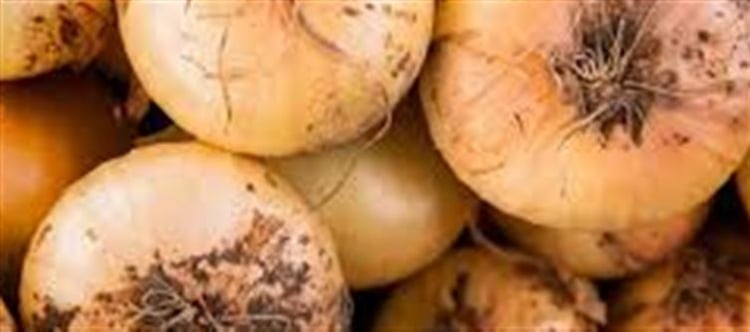

Onions are a kitchen staple, adding flavor, aroma, and nutrition to countless dishes. But what happens when you notice black spots on onions? While it might seem like a minor cosmetic issue, these spots can indicate underlying problems that could affect your health and food quality. Understanding the causes and implications is crucial for safe cooking and eating.
1. What Causes Black Spots on Onions?
Black spots on onions are usually caused by fungal or bacterial infections during growth, storage, or handling. Some common causes include:
a) Fungal Infections
Black mold (Aspergillus niger) can develop on onions, especially in damp or poorly ventilated storage conditions.
These spots may appear on the skin or cut surfaces, often accompanied by a soft or slimy texture.
b) Bacterial Infections
Bacterial black rot can occur, leading to dark, water-soaked patches.
It often spreads rapidly if the onion is stored with others.
c) Mechanical Damage and Oxidation
Bruising or cuts during harvesting can lead to oxidation, forming black or brown spots over time.
2. Why You Shouldn’t Ignore Black Spots
Even small black spots can pose health risks and affect food quality:
a) Mycotoxin Risk
Fungi like Aspergillus can produce mycotoxins, harmful compounds linked to digestive issues, liver damage, and long-term health risks.
b) Food Spoilage
Onions with black spots spoil faster, potentially contaminating other vegetables or dishes if used in cooking.
c) Taste and Aroma Compromise
Spoiled onions may have a bitter or off taste, ruining the flavor of your meals.
3. How to Identify Safe vs Unsafe Onions
Feature
Safe Onion
Unsafe Onion
Skin
Dry, intact, no dark spots
Black or dark moldy patches
Firmness
Firm and solid
Soft, mushy, or water-soaked
Smell
Fresh, pungent onion aroma
Sour, musty, or rotten odor
Internal Inspection
White or light-colored flesh
Dark, slimy, or streaked flesh
Tip: When cutting onions, inspect the layers carefully. Discard any section showing black or moldy spots, even if the rest looks fine.
4. Prevention Tips for Healthy onion Storage
Store in a cool, dry, and well-ventilated place
Avoid plastic bags; use mesh or paper bags for airflow
Keep onions away from moisture and sunlight
Do not store near potatoes, as moisture from potatoes accelerates onion spoilage
Inspect onions regularly and remove any with signs of black spots to prevent spread
🌟 Key Takeaways
Black spots on onions are more than just cosmetic; they can indicate fungal or bacterial contamination.
Consuming affected onions can pose health risks, affect taste, and speed up spoilage of other foods.
Proper storage, careful inspection, and discarding compromised onions are essential for safe cooking and food hygiene.
Disclaimer:
The views and opinions expressed in this article are those of the author and do not necessarily reflect the official policy or position of any agency, organization, employer, or company. All information provided is for general informational purposes only. While every effort has been made to ensure accuracy, we make no representations or warranties of any kind, express or implied, about the completeness, reliability, or suitability of the information contained herein. Readers are advised to verify facts and seek professional advice where necessary. Any reliance placed on such information is strictly at the reader’s own risk.
 click and follow Indiaherald WhatsApp channel