


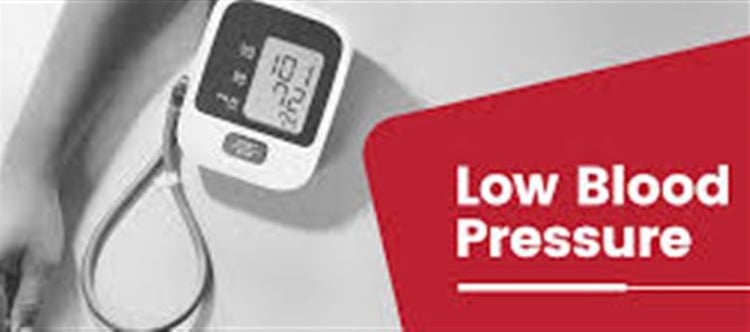

Low blood pressure, medically known as hypotension, occurs when the pressure of blood in your arteries drops below normal levels, usually under 90/60 mmHg. While some people naturally have low bp without symptoms, others may experience dizziness, fainting, or weakness, especially when standing up suddenly.
⚡ Sudden Dizziness When Standing: Orthostatic Hypotension
One of the most common reasons for feeling dizzy upon standing is orthostatic hypotension. This happens when blood pressure drops abruptly as you rise from sitting or lying down, causing temporary reduced blood flow to the brain.
Symptoms include:
- Lightheadedness or dizziness
- Blurred vision
- Weakness or fatigue
- Nausea
- Fainting (in severe cases)
This is sometimes called postural dizziness and can affect both young and older adults.
🧠 Why Low bp Causes Dizziness
When you stand quickly:
Gravity pulls blood toward your legs.
Your heart may not pump fast enough to maintain normal pressure.
Less blood reaches the brain temporarily, causing dizziness or even fainting.
Factors that worsen this effect:
- Dehydration or low fluid intake
- Certain medications (diuretics, antihypertensives)
- Prolonged bed rest or inactivity
- Heart problems affecting pumping efficiency
💊 Possible Causes of Low BP
Low bp can occur due to a variety of reasons:
1. Dehydration
- Losing too much water through sweating, diarrhea, or vomiting
- Leads to reduced blood volume, lowering BP
2. heart Problems
3. Endocrine Disorders
- Low thyroid (hypothyroidism)
- Adrenal insufficiency (Addison’s disease)
- Low blood sugar (hypoglycemia)
4. Medications
- Diuretics
- Beta-blockers
- Certain antidepressants
5. Severe Infection (Septic Shock)
- Rare but dangerous cause of sudden low BP
🏥 When to Seek Medical Attention
While mild dizziness is often harmless, consult a doctor if you notice:
- Fainting or near-fainting episodes
- Chest pain, palpitations, or shortness of breath
- Confusion or difficulty concentrating
- Sudden or severe drop in bp readings
A doctor may check your bp in different positions (lying, sitting, standing) to confirm orthostatic hypotension.
💡 Tips to Manage Low bp and Prevent Dizziness
1. Stand Up Slowly
- Move from lying → sitting → standing gradually
- Avoid sudden upright movements
2. Stay Hydrated
- Drink plenty of water throughout the day
- Include electrolyte-rich fluids if sweating heavily
3. Wear Compression Stockings
- Helps prevent blood pooling in the legs
4. Small, Frequent Meals
- Avoid large meals that can trigger post-meal bp drops
5. review Medications
- Speak with your doctor about side effects of BP-lowering drugs
6. Increase salt Intake (if advised)
📌 Summary
Feeling dizzy when standing up can often be a sign of low blood pressure or orthostatic hypotension. While occasional lightheadedness may not be serious, frequent or severe episodes should be evaluated by a healthcare professional. Proper hydration, gradual postural changes, and lifestyle adjustments can help prevent symptoms.
Disclaimer:
The views and opinions expressed in this article are those of the author and do not necessarily reflect the official policy or position of any agency, organization, employer, or company. All information provided is for general informational purposes only. While every effort has been made to ensure accuracy, we make no representations or warranties of any kind, express or implied, about the completeness, reliability, or suitability of the information contained herein. Readers are advised to verify facts and seek professional advice where necessary. Any reliance placed on such information is strictly at the reader’s own risk.
 click and follow Indiaherald WhatsApp channel