


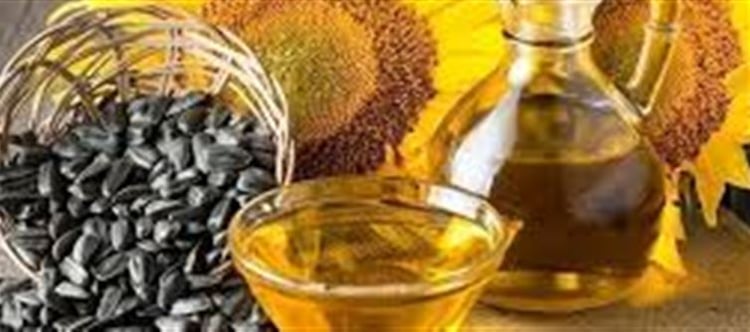

Cooking oils are an essential part of our diet, but not all oils are created equal. Some commonly used oils may contribute to heart problems over time if consumed regularly. Understanding which oils to use—and which to limit—can protect your cardiovascular health.
1. Palm Oil
Why it may be harmful:
High in saturated fats, which can raise LDL (bad) cholesterol.
Frequent consumption may increase the risk of atherosclerosis and heart disease.
Tip: Use palm oil sparingly and opt for oils with higher unsaturated fat content for cooking.
2. Coconut Oil
Why it may be harmful:
Despite its popularity as a “healthy” oil, coconut oil is very high in saturated fat.
Excessive use can raise cholesterol levels and burden the heart over time.
Tip: Small amounts are generally safe, but avoid using it as your primary cooking oil.
3. Vegetable Shortening or Margarine
Why it may be harmful:
Often contains trans fats, known to increase bad cholesterol and reduce good cholesterol.
Linked to higher risk of heart attacks and stroke.
Tip: read labels carefully and choose trans-fat-free alternatives.
4. Refined Vegetable Oils (Soybean, Corn, Sunflower)
Why it may be harmful:
High-heat refining can reduce nutrients and create oxidized fats.
Frequent consumption of highly processed oils may contribute to inflammation and heart disease.
Tip: Use cold-pressed or minimally processed oils whenever possible.
5. Canola oil (Refined)
Why it may be harmful:
Often highly refined and sometimes partially hydrogenated.
Can produce oxidized compounds when heated, which may negatively impact heart health.
Tip: Opt for cold-pressed, organic canola oil or rotate with healthier oils like olive or avocado oil.
Heart-Healthy Cooking oil Alternatives
Extra Virgin Olive Oil: Rich in monounsaturated fats and antioxidants.
Avocado Oil: High smoke point and heart-friendly unsaturated fats.
Flaxseed Oil: Packed with omega-3 fatty acids (use raw or in dressings).
Sesame oil (Unrefined): Contains antioxidants and healthy fats.
Tip: Rotate oils for different cooking methods and avoid overheating them to preserve their nutrients.
Final Thoughts
The type of oil you use daily can significantly impact your heart health over time. Limiting saturated and trans fats while choosing cold-pressed, unsaturated oils can help reduce the risk of cardiovascular disease. Mindful oil choices, combined with a balanced diet and regular exercise, are key to keeping your heart healthy.
Disclaimer:
The views and opinions expressed in this article are those of the author and do not necessarily reflect the official policy or position of any agency, organization, employer, or company. All information provided is for general informational purposes only. While every effort has been made to ensure accuracy, we make no representations or warranties of any kind, express or implied, about the completeness, reliability, or suitability of the information contained herein. Readers are advised to verify facts and seek professional advice where necessary. Any reliance placed on such information is strictly at the reader’s own risk.
 click and follow Indiaherald WhatsApp channel