


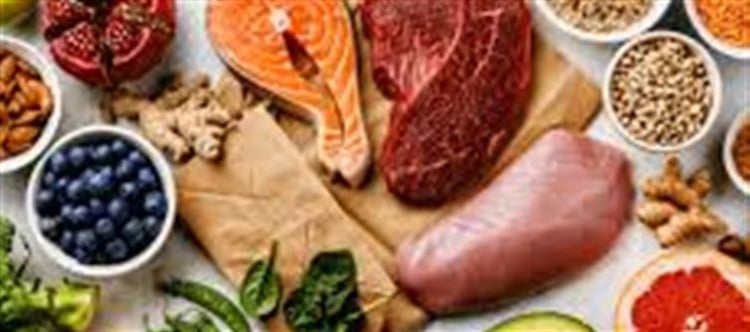

Chemotherapy is a life-saving treatment, but it often comes with side effects like nausea, fatigue, and loss of appetite. Proper nutrition plays a key role in supporting the body, maintaining strength, and reducing discomfort during treatment. Here’s what experts recommend.
1. Small, Frequent Meals
Large meals can worsen nausea. Instead:
Eat 5–6 small meals throughout the day instead of 2–3 large ones
Include light snacks like nuts, yogurt, or fruit to maintain energy levels
2. Focus on High-Protein Foods
Protein helps repair tissues and maintain muscle mass, which is especially important during chemotherapy:
Eggs, lean meats, poultry, and fish
Dairy products like milk, cheese, and yogurt
Plant-based proteins: lentils, beans, tofu, and nuts
3. Choose Easy-to-Digest Foods
When chemotherapy affects digestion, opt for gentle foods:
Mashed potatoes, porridge, rice, or pasta
Steamed vegetables and peeled fruits
Avoid greasy, spicy, or fried foods that may trigger nausea
4. Stay Hydrated
Chemotherapy can cause dehydration and dry mouth. Maintain fluid intake:
Water, herbal teas, or broths
Fresh fruit juices diluted with water
Ice chips or popsicles if drinking fluids is difficult
5. Combat Nausea with Smart Food Choices
Certain foods can help reduce nausea:
Ginger: Fresh, tea, or small candies
Crackers or dry toast before getting out of bed
Cold foods like smoothies or chilled fruits, which may be easier to tolerate than hot meals
6. Avoid Strong Smells
Strong odors can trigger nausea. Tips include:
Eat cold or room-temperature foods
Cook in a well-ventilated area
Ask family members to help prepare meals if possible
7. Consider Nutritional Supplements (With Doctor’s Advice)
Sometimes it’s difficult to meet daily requirements with food alone. Doctors may recommend:
High-calorie or high-protein shakes
Vitamins and minerals tailored to your treatment plan
Always consult your oncologist or dietitian before starting supplements.
Key Takeaway
Eating well during chemotherapy doesn’t mean following strict diets—it’s about gentle, nutrient-rich, and manageable meals that reduce nausea, maintain energy, and support recovery. With small adjustments and mindful choices, patients can stay stronger and feel better throughout treatment.
Disclaimer:
The views and opinions expressed in this article are those of the author and do not necessarily reflect the official policy or position of any agency, organization, employer, or company. All information provided is for general informational purposes only. While every effort has been made to ensure accuracy, we make no representations or warranties of any kind, express or implied, about the completeness, reliability, or suitability of the information contained herein. Readers are advised to verify facts and seek professional advice where necessary. Any reliance placed on such information is strictly at the reader’s own risk.
 click and follow Indiaherald WhatsApp channel