


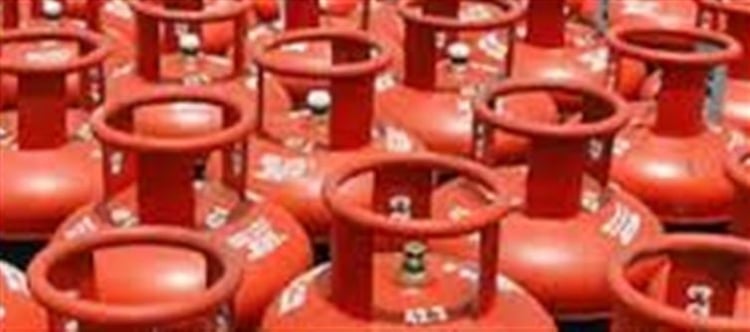

With the widespread use of LPG (Liquefied Petroleum Gas) cylinders in households for cooking, many people wonder: How many cylinders am I allowed to keep at home, and what are the safety rules? Understanding these regulations is essential to ensure safety and compliance with legal norms.
1. Standard Limit on Gas Cylinders at Home
According to safety regulations and the Petroleum and Explosives Safety Organisation (PESO):
Most households are allowed to store only 1 filled LPG cylinder and 1 empty cylinder at a time.
Additional cylinders may require special permission or licensed storage if you need more for commercial or bulk use.
Keeping more than the allowed number of cylinders at home can be considered illegal and hazardous.
2. Why There Is a Limit
The restrictions on storing LPG cylinders are mainly due to:
Fire hazards: LPG is highly flammable, and storing multiple cylinders increases the risk of fire.
Explosion risk: Leaks from cylinders can accumulate gas in enclosed spaces, leading to potential explosions.
Space and ventilation concerns: Proper ventilation is essential to avoid gas accumulation.
Legal compliance: Storing more than the allowed quantity can attract penalties under explosives and petroleum safety laws.
3. Safety Guidelines for Storing Gas Cylinders
Even within the allowed limit, certain safety practices must be followed:
Keep cylinders upright: Always store cylinders in an upright position to prevent leaks.
Well-ventilated area: Cylinders should be placed in a ventilated space away from heat sources and open flames.
No storage near electrical equipment: Sparks from appliances can ignite leaked gas.
Check for leaks: Regularly inspect the cylinder and regulator for leaks using soapy water.
Do not tamper: Never attempt to repair or modify cylinders or regulators on your own.
4. Special Cases
Restaurants or bulk cooking facilities: May keep more cylinders, but only in licensed storage areas following safety regulations.
During emergencies: Some jurisdictions allow temporary storage of additional cylinders, but local fire department approval is needed.
5. Legal Implications
Storing excess cylinders at home without permission can result in:
Fines and penalties
Confiscation of extra cylinders
Liability in case of accidents
Compliance with PESO guidelines and state regulations is mandatory.
6. Conclusion
For typical households, you are generally allowed to keep one full and one empty gas cylinder at home. Adhering to this limit, along with safety practices like proper ventilation and leak checks, ensures the safety of your family and property. Extra cylinders should only be stored with proper permission and in a licensed facility.
Disclaimer:
The views and opinions expressed in this article are those of the author and do not necessarily reflect the official policy or position of any agency, organization, employer, or company. All information provided is for general informational purposes only. While every effort has been made to ensure accuracy, we make no representations or warranties of any kind, express or implied, about the completeness, reliability, or suitability of the information contained herein. Readers are advised to verify facts and seek professional advice where necessary. Any reliance placed on such information is strictly at the reader’s own risk.
 click and follow Indiaherald WhatsApp channel