


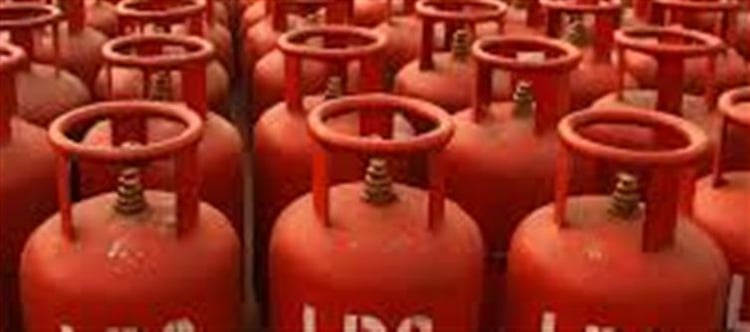

In response to the ongoing global energy crisis — fueled by geopolitical tensions and supply chain disruptions — the Indian government has taken decisive steps to ease market pressures and ensure continuity of essential energy supplies, particularly liquefied petroleum gas (LPG). Recent policy moves include a 20% increase in LPG allocation to states and sectors, alongside other measures to stabilize fuel markets.
Why the Energy Crisis Has Intensified
The global energy situation has tightened due to ongoing conflict in the Middle East, particularly around strategic export routes like the Strait of Hormuz, through which roughly 20% of the world’s crude oil and LPG normally flow. Disruptions have pushed up crude oil and gas prices, intensifying pressure on importing nations like india that rely heavily on these supplies.
Government’s Key LPG Decision: 20% Allocation Boost
To counter the strain on energy markets, the Central government announced a 20% increase in the allocation of LPG to states and priority sectors. Prior to this adjustment, allocations to commercial entities were curtailed due to supply issues. The government’s action raises LPG allocation to approximately 70%, ensuring continued availability for industries that depend on LPG for operations, such as manufacturing, hospitality, and food processing.
What This Means
- Enhanced supply to commercial and industrial sectors helps prevent disruptions in production and services.
- It addresses LPG supply tightness amid volatile global energy markets.
- The move is paired with assurances of sufficient LPG stocks despite the crisis.
Broader government Measures on Energy
Alongside the LPG allocation increase, the government has taken further steps to stabilize fuel markets:
Fuel Tax and Duty Adjustments
To cushion the impact of rising global crude prices, the government cut excise duties on petrol and diesel drastically, helping shield consumers from immediate price shocks. However, it also introduced windfall taxes on fuel exports to balance fiscal concerns.
Confidence Building on Fuel Security
Authorities have repeatedly reaffirmed the stability of fuel supplies, including LPG, petrol, and diesel, despite rumors of shortages in some regions. They also discouraged panic buying at pumps and retailers, arguing that the supply system remains robust.
Government Leadership and Coordination
Prime minister Narendra Modi held strategic meetings with ministers and energy officials to monitor the crisis, plan logistical responses, and ensure uninterrupted energy availability across the nation.
Impact on Citizens and Businesses
The government’s actions are intended to:
- Prevent fuel shortages that could disrupt households and businesses.
- Maintain continuity in industries sensitive to LPG supply.
- Assure price stability despite global market volatility.
While supply security is being strengthened, sectors and consumers may still feel the effects of global price movements, especially where local supply chains or pricing mechanisms are impacted.
What Comes Next
Analysts and energy experts suggest that continued focus on energy diversification, strategic petroleum reserves, and import partnerships will be critical in mitigating long-term risks from global disturbances. Monitoring of supply trends and timely policy responses remain key to ensuring energy security for India.
Disclaimer:
The views and opinions expressed in this article are those of the author and do not necessarily reflect the official policy or position of any agency, organization, employer, or company. All information provided is for general informational purposes only. While every effort has been made to ensure accuracy, we make no representations or warranties of any kind, express or implied, about the completeness, reliability, or suitability of the information contained herein. Readers are advised to verify facts and seek professional advice where necessary. Any reliance placed on such information is strictly at the reader’s own risk.
 click and follow Indiaherald WhatsApp channel