


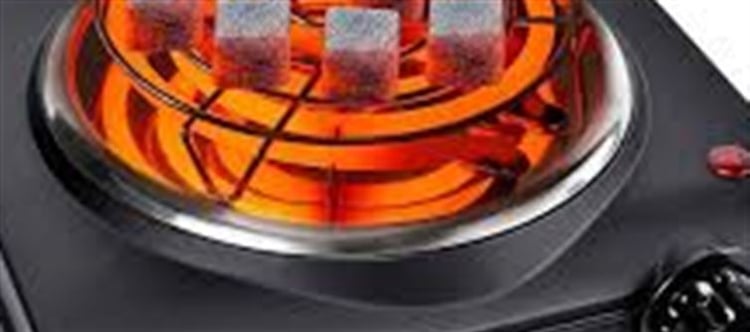

Cooking at home has become more convenient with affordable electric stoves that don’t require LPG cylinders and are safer than traditional methods. With prices starting around ₹1,000, these stoves are becoming increasingly popular for small families, students, and anyone looking for a compact and safe cooking solution.
🔌 How This Electric Stove Works
- Uses standard home electricity (usually 220–240 V).
- Heats via resistive coils or induction technology, depending on the model.
- Requires no gas connection, eliminating the need to refill LPG cylinders.
Some models come with temperature controls and automatic shut-off features, ensuring safe and even cooking.
💰 Affordable and Cost-Effective
- Initial investment: Around ₹1,000, making it accessible to most households.
- Saves money in the long run by avoiding frequent LPG cylinder purchases.
- Lower maintenance costs compared to gas stoves.
🛡️ Safety Advantages
Electric stoves are generally safer than gas:
- No open flames, reducing fire hazards.
- Modern models have overheat protection and insulated exteriors to minimize the risk of electric shocks.
- Ideal for households with children or elderly members.
🍳 Practical Tips for Using a ₹1,000 Electric Stove
Placement: Keep it on a flat, heat-resistant surface.
Cookware: Use compatible pans; induction versions need magnetic-bottomed utensils.
Cleaning: Wipe after each use to prevent residue buildup.
Power Safety: Avoid using extension cords; plug directly into a wall socket.
⚡ Pros and Cons
Pros:
- Safe and flame-free
- Compact and portable
- Energy-efficient for small meals
- Affordable
Cons:
- Slower than high-powered gas for large cooking
- Limited to small to medium cooking tasks
- Dependent on electricity availability
✅ Conclusion
A ₹1,000 electric stove is a smart, budget-friendly alternative to LPG, combining safety, convenience, and portability. Perfect for apartments, hostels, or small kitchens, it offers a hassle-free cooking experience without the risks associated with gas or older electric models.
Disclaimer:
The views and opinions expressed in this article are those of the author and do not necessarily reflect the official policy or position of any agency, organization, employer, or company. All information provided is for general informational purposes only. While every effort has been made to ensure accuracy, we make no representations or warranties of any kind, express or implied, about the completeness, reliability, or suitability of the information contained herein. Readers are advised to verify facts and seek professional advice where necessary. Any reliance placed on such information is strictly at the reader’s own risk.
 click and follow Indiaherald WhatsApp channel