


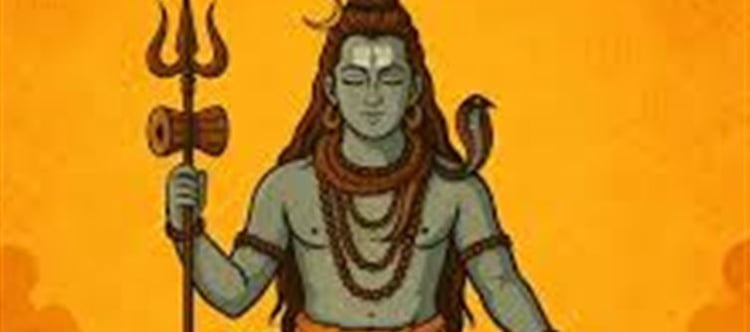

Maha Shivratri is one of the most important Hindu festivals dedicated to Lord Shiva. In 2026, maha shivratri will be observed on Monday, march 10, 2026. The festival marks the night when lord shiva performed the Tandava, the cosmic dance of creation, preservation, and destruction, and is also considered the day when shiva married Goddess Parvati. Devotees observe fasting, night-long vigils, and special prayers to seek his blessings.
Nishita Kaal Puja Time
The Nishita Kaal, also known as the midnight worship, is considered the most auspicious time to perform rituals on maha Shivratri. Devotees believe that worshipping lord shiva during this period removes sins and grants spiritual growth.
- Date: march 10, 2026
- Nishita Kaal Time: Approximately 12:00 AM to 1:30 AM (exact timing may vary depending on location)
During this time, devotees offer milk, water, bel leaves, fruits, and flowers to the shiva Linga while chanting mantras.
4 Prahar Timings of maha Shivratri
The night of maha shivratri is divided into four prahars (quarters), and each prahar has its own significance for worship:
First Prahar (6:00 PM – 9:00 PM) – evening rituals and lighting of lamps
Second Prahar (9:00 PM – 12:00 AM) – Devotees chant shiva mantras and perform abhishekam
Third Prahar / Nishita Kaal (12:00 AM – 3:00 AM) – Most auspicious time; intensive prayers and offerings
Fourth Prahar (3:00 AM – 6:00 AM) – Morning aarti and concluding rituals
Mantras for maha Shivratri
Chanting mantras is central to maha shivratri celebrations. Some commonly recited mantras include:
- Maha Mrityunjaya Mantra:
“Om Tryambakam Yajamahe Sugandhim Pushtivardhanam |
Urvarukamiva Bandhanan Mrityor Mukshiya Maamritat ||” - Om Namah Shivaya – The most popular mantra invoking Lord Shiva’s blessings.
Vrat (Fasting) Rules
Observing a vrat (fast) on maha shivratri is considered highly meritorious:
- Devotees may choose a nirjala fast (without water) or a phalahar vrat (consuming fruits and milk).
- The fast is maintained from sunrise to the next day morning after offering prayers.
- Avoid non-vegetarian food and focus on meditation and chanting.
Rituals and Offerings
Shiva Linga Abhishekam – Bathing the shiva Linga with milk, honey, ghee, and water
Bel Patra Offering – Sacred Bel leaves are offered for purification
Lighting Lamps – Symbolizes the triumph of light over darkness
Night Vigil (Jagran) – Devotees stay awake chanting and meditating
Significance of maha Shivratri
Maha Shivratri is not just a festival but a spiritual opportunity:
- Encourages self-discipline and focus
- Strengthens devotion towards Lord Shiva
- Believed to wash away sins and obstacles in life
Disclaimer:
The views and opinions expressed in this article are those of the author and do not necessarily reflect the official policy or position of any agency, organization, employer, or company. All information provided is for general informational purposes only. While every effort has been made to ensure accuracy, we make no representations or warranties of any kind, express or implied, about the completeness, reliability, or suitability of the information contained herein. Readers are advised to verify facts and seek professional advice where necessary. Any reliance placed on such information is strictly at the reader’s own risk.
 click and follow Indiaherald WhatsApp channel