


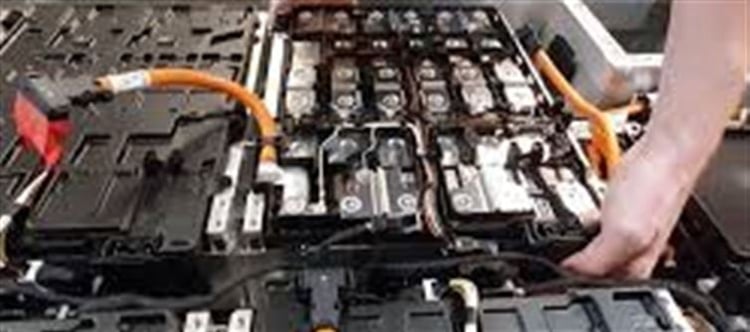

As electric vehicles (EVs) become more popular in India, the government has introduced measures to track and regulate EV batteries. One such measure is the Battery Passport and Aadhaar Number (BPAN) system, which aims to enhance transparency, accountability, and safety in the EV ecosystem.
What is BPAN?
BPAN stands for Battery Passport and Aadhaar Number. It is a unique identification system for electric vehicle batteries, linking each battery to:
- A unique Aadhaar number of the vehicle owner
- Information about the battery’s specifications, ownership, and usage history
The concept is similar to vehicle registration numbers but specifically for EV batteries. It ensures that every battery can be traced and monitored throughout its lifecycle.
Why the Aadhaar Number on EV Battery Packs Matters
Ownership Identification
Linking the battery to the owner’s Aadhaar number helps authorities identify the rightful owner.
This reduces fraud, battery theft, or illegal resale.
Battery Life Tracking
EV batteries degrade over time. With BPAN, authorities and manufacturers can track usage, performance, and warranty claims.
This ensures safety and reliability for both owners and buyers of second-hand EVs.
Recycling and Disposal Management
EV batteries contain valuable metals and chemicals. Proper tracking ensures they are recycled or disposed of responsibly, reducing environmental hazards.
Regulatory Compliance
BPAN allows the government to monitor EV adoption, battery standards, and compliance with safety regulations.
It also facilitates incentives and subsidies for EV owners.
How BPAN Works in Practice
- When an EV is purchased, the battery is assigned a BPAN ID linked to the owner’s Aadhaar number.
- The ID includes:
- Battery type and capacity
- Manufacturing date
- Vehicle registration details
- Maintenance and warranty history
- At the end of its lifecycle, the battery can be returned to certified recyclers, ensuring proper disposal.
Benefits for EV Owners
- Secure ownership: Reduces chances of disputes or battery fraud.
- Warranty protection: Easier to claim warranty if battery is tracked digitally.
- Resale value: Battery history can be verified for second-hand EV sales.
- Environmental responsibility: Supports safe recycling and reuse of batteries.
Conclusion
BPAN, or the Battery Passport linked with Aadhaar, is a game-changer for India’s EV ecosystem. By linking batteries to individual owners, it ensures safety, accountability, and sustainability, while also enabling better regulation and adoption of electric vehicles.
For EV buyers and owners, it’s important to check that your battery is BPAN-registered, as this will impact warranty claims, resale value, and compliance with government regulations.
Disclaimer:
The views and opinions expressed in this article are those of the author and do not necessarily reflect the official policy or position of any agency, organization, employer, or company. All information provided is for general informational purposes only. While every effort has been made to ensure accuracy, we make no representations or warranties of any kind, express or implied, about the completeness, reliability, or suitability of the information contained herein. Readers are advised to verify facts and seek professional advice where necessary. Any reliance placed on such information is strictly at the reader’s own risk.
 click and follow Indiaherald WhatsApp channel