


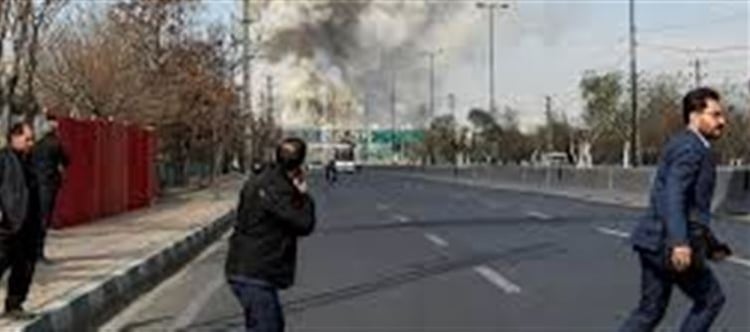

In an unprecedented evolution of modern warfare, the United States Armed Forces reportedly used advanced artificial intelligence (AI) tools to help strike around **1,000 targets in Iran within the first 24 hours of its recent military campaign. According to military and technology sources, AI‑powered systems were integrated into battlefield planning, enabling faster decision‑making, real‑time intelligence analysis, and rapid target prioritization. This marks one of the first large‑scale deployments of AI in active combat operations by U.S. forces, significantly compressing planning and execution timelines that once took days into mere hours. Experts say the engagement reflects a shift in how wars may be fought in the future—blending human command with machine‑speed analytics and automation amid ethical debates and geopolitical risks.
AI at the heart of Targeting Strategy
At the center of the operation was the Maven Smart System (MSS)—a military AI platform designed to process vast amounts of surveillance data, satellite imagery, and battlefield intelligence. Embedded within this system was Anthropic’s Claude generative AI model, which analyzed data in real time and generated prioritized lists of strategic targets. By automating target selection and ranking, AI significantly shortened what is known as the “kill chain”—the time from identifying a target to launching a strike.
How AI Changed the Speed of Combat
Traditionally, planning large military strikes involved teams of analysts who manually sifted through intelligence, identified key enemy positions, and coordinated logistics—a process that could take days or weeks. With MSS and Claude, these tasks were accelerated dramatically: data that once took hours to interpret could be analyzed in minutes, giving commanders near‑real‑time insights for action. This allowed U.S. forces to launch precision strikes on about 1,000 targets within the first 24 hours of the campaign.
Integration With Conventional Military Hardware
While AI directed the targeting analysis, the actual strikes were carried out using a combination of advanced military assets. These included stealth bombers, fighter jets, cruise missiles, and precision drones, coordinated with support from Israeli Defense Forces. AI systems were used to recommend optimal weapons and timing based on target profiles and past performance data.
Ethical, Legal, and Strategic Debates
The use of AI in war has sparked significant debate. Critics worry that turning over critical decisions to algorithms—even with human oversight—could lead to mistakes or unintended civilian harm. Autonomous decisions made without strict controls risk “cognitive off‑loading,” where human judgment may be sidelined in life‑or‑death scenarios. Proponents argue that AI can reduce human error and improve operational efficiency, but ethical questions about accountability remain unresolved.
AI’s Dual Role: Planning and After‑Action Assessment
AI wasn’t used just for planning strikes—models like Claude also aided in evaluating the outcomes of engagements by analyzing post‑strike data. This feedback loop lets commanders adapt tactics swiftly and assess the broader impact of actions as the conflict evolves.
Global Implications of AI‑Driven Combat
The rapid use of AI in this context suggests a profound shift in military doctrine. Nations around the world are watching closely, with many considering investments in similar capabilities. At the same time, there’s growing international pressure to create protocols and safeguards governing AI’s use in war, especially regarding civilian protection and legal compliance.
Conclusion:
A New Era of Warfare
The U.S. military’s use of AI to identify and strike 1,000 targets in iran within the first 24 hours marks a significant milestone in how technology influences conflict. While the approach has demonstrated operational speed and capability, it also raises complex questions about ethics, control, and the future of human involvement in war. As conflicts evolve in the wallet PLATFORM' target='_blank' title='digital-Latest Updates, Photos, Videos are a click away, CLICK NOW'>digital age, AI’s role in global security debates is likely to intensify.
Disclaimer:
The views and opinions expressed in this article are those of the author and do not necessarily reflect the official policy or position of any agency, organization, employer, or company. All information provided is for general informational purposes only. While every effort has been made to ensure accuracy, we make no representations or warranties of any kind, express or implied, about the completeness, reliability, or suitability of the information contained herein. Readers are advised to verify facts and seek professional advice where necessary. Any reliance placed on such information is strictly at the reader’s own risk.
.jpg)
 click and follow Indiaherald WhatsApp channel