
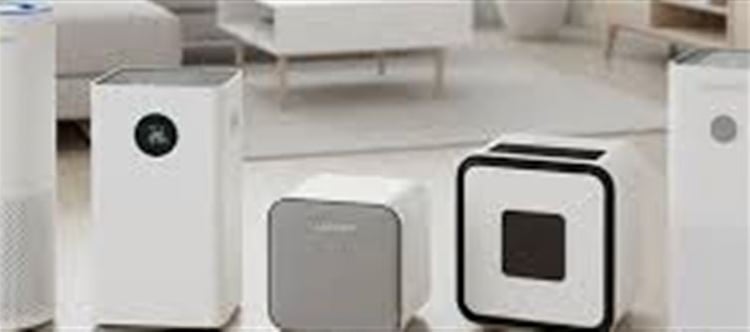


Air pollution has become a growing concern, and while air purifiers are popular, they can be expensive or inaccessible for many households. Fortunately, there are effective alternatives to maintain cleaner indoor air using simple, practical methods.
1. Keep Windows Open Strategically
Tip: Open windows during early morning or late evening when outdoor pollution levels are lower.
Why It Works: Proper ventilation helps remove indoor pollutants, reduce odors, and maintain fresh airflow.
Extra Tip: Avoid opening windows during peak traffic hours or dusty conditions to prevent pollutants from entering.
2. Use Indoor Plants
Tip: Certain plants naturally purify air by absorbing toxins and releasing oxygen. Popular choices include:
Spider plant
Aloe vera
Snake plant (Sansevieria)
Areca palm
Why It Works: Plants can reduce indoor air toxins like formaldehyde, benzene, and carbon monoxide.
Extra Tip: Keep 6–8 small plants in frequently used rooms for noticeable benefits.
3. Regular Cleaning and Dust Management
Tip: Dust and vacuum frequently using HEPA-filter vacuums, mop floors, and wipe surfaces.
Why It Works: Dust and particles trap pollutants and allergens, which can trigger respiratory issues.
Extra Tip: Wash curtains, bed linens, and cushion covers regularly to remove accumulated dust and allergens.
4. DIY Natural air Filters
Tip: Create homemade air purifiers using activated charcoal, baking soda, or salt lamps.
Why It Works:
Activated charcoal absorbs toxic chemicals and odors.
Baking soda helps neutralize indoor pollutants.
Extra Tip: Place bowls of activated charcoal or baking soda near windows, kitchen, or high-traffic areas.
5. Control Indoor Humidity
Tip: Maintain indoor humidity at 40–50% using a humidifier or by placing water containers indoors.
Why It Works: Proper humidity reduces dust mites, mold, and airborne allergens, improving air quality.
Extra Tip: Avoid excessive moisture, as high humidity can promote mold growth.
Extra lifestyle Tips
Avoid smoking or burning incense indoors.
Cook with ventilation to reduce smoke and fumes.
Limit use of strong chemical cleaners that release VOCs (volatile organic compounds).
✅ Bottom Line: Even without an air purifier, you can maintain cleaner indoor air by combining strategic ventilation, indoor plants, dust control, natural air filters, and humidity management. Small daily habits go a long way in protecting your family’s respiratory health, especially in polluted areas.
Disclaimer:
The views and opinions expressed in this article are those of the author and do not necessarily reflect the official policy or position of any agency, organization, employer, or company. All information provided is for general informational purposes only. While every effort has been made to ensure accuracy, we make no representations or warranties of any kind, express or implied, about the completeness, reliability, or suitability of the information contained herein. Readers are advised to verify facts and seek professional advice where necessary. Any reliance placed on such information is strictly at the reader’s own risk.
 click and follow Indiaherald WhatsApp channel