


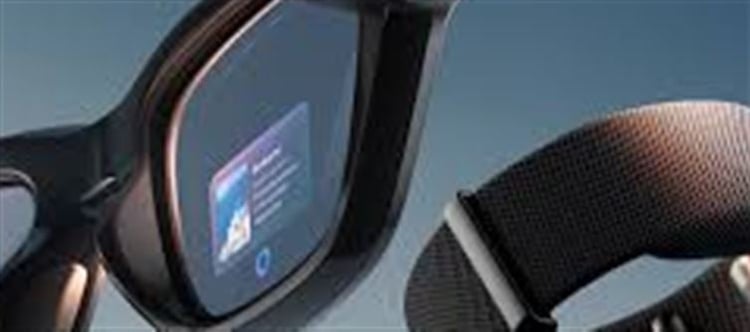

Meta Platforms Inc. is reportedly set to unveil two new models of its Ray‑Ban smart glasses next week, marking a notable push toward making its AI‑enhanced eyewear more accessible to people who wear prescription lenses.
This would be the first time Meta and its hardware partner, EssilorLuxottica, are releasing Ray‑Ban smart glasses tailored specifically for prescription users — even though previous generations already supported prescription lenses as an optional add‑on.
📍 What’s New in These Upcoming Ray‑Ban Models?
1. Designed for Prescription Wearers
Unlike past smart glasses, which required aftermarket prescription lens fitting, these new models are built from the ground up to be prescription‑friendly — offering streamlined support and likely easier ordering and integration for consumers.
This shift reflects Meta’s recognition that many potential smart glasses customers rely on corrective lenses, and a more seamless prescription option could broaden appeal.
📡 What These New Models Might Offer
While official details are limited, industry reports and recent FCC filings suggest the new Ray‑Ban smart glasses include substantial hardware upgrades compared with previous generations:
- Model identifiers (e.g., RW7001, RW7002) point to new units likely representing major updates rather than minor refreshes.
- Support for Wi‑Fi 6 UNII‑4 — which can boost connectivity performance for data‑heavy features like live video or AI streaming.
- Bundled portable charging cases and possibly different size options.
These enhancements indicate Meta is aiming to elevate usability and performance, especially for everyday wear.
🕶️ Why This Matters for Smart Glasses Buyers
1. Reaching More Users
Smart glasses have traditionally struggled to appeal broadly because standard designs didn’t accommodate people with vision correction needs comfortably or easily. A dedicated prescription‑ready line could unlock a much larger market.
2. Competitive Edge
The smart glasses category — once niche and slow to gain traction — has seen renewed interest with Meta’s AI‑powered offerings (such as the Ray‑Ban Display and Ray‑Ban Meta Gen 2). Catering to prescription wearers puts Meta in a stronger competitive position.
3. Growing Wearables Strategy
Meta has been steadily building out smart glasses and wearable tech, including AI glass models with built‑in displays and gesture control interfaces, showing long‑term commitment to this product category.
⚙️ A Brief Background: Ray‑Ban & Smart Glasses
The Ray‑Ban Meta smart glasses line is the result of a partnership between Meta and EssilorLuxottica. These AI glasses blend classic eyewear styles with tech features such as built‑in cameras, microphones, open‑ear speakers, and voice‑activated AI assistance.
Previous generations already supported prescription lenses, but they weren’t developed specifically for that purpose. These upcoming models appear to be the first that truly cater directly to prescription eyewear needs.
📦 What’s Next? Timeline & Availability
Meta is expected to officially reveal these new smart glasses very soon — potentially at a product event or press release next week. Details on pricing, availability, and region‑wise rollout are not yet public, but early reports suggest a broad launch strategy focused on accessibility.
🔮 The Broader Picture: Smart Glasses Market
Smart glasses have been gaining momentum across tech companies, but mainstream adoption remains limited. Meta’s continued pushes — including display‑integrated models and expanded form factors — signal that wearable smart eyewear could become more commonplace if products address practical needs like vision correction and everyday comfort.
✅ In summary: Meta is close to launching two new Ray‑Ban smart glasses models that are specifically aimed at prescription wearers. These could play a big role in bringing AI eyewear to a wider audience, building on Meta’s existing Ray‑Ban smart glasses ecosystem and the growing wearables market.
Disclaimer:
The views and opinions expressed in this article are those of the author and do not necessarily reflect the official policy or position of any agency, organization, employer, or company. All information provided is for general informational purposes only. While every effort has been made to ensure accuracy, we make no representations or warranties of any kind, express or implied, about the completeness, reliability, or suitability of the information contained herein. Readers are advised to verify facts and seek professional advice where necessary. Any reliance placed on such information is strictly at the reader’s own risk.
 click and follow Indiaherald WhatsApp channel