



Pongal is one of the most important and widely celebrated festivals in Tamil Nadu, marking the harvest season and giving thanks to nature, cattle, and the sun God. In 2026, pongal falls from January 14 to january 17, following the traditional four-day celebration that has been observed for centuries. Each day has a unique significance and set of rituals that connect families, agriculture, and spirituality.
1. bhogi pongal – january 14, 2026
The festival begins with Bhogi Pongal, which is dedicated to Lord Indra, the god of rain, who ensures a bountiful harvest. On this day, people discard old and unused household items in a bonfire, symbolizing the end of negativity and the start of a new, prosperous year. Houses are cleaned thoroughly, and new clothes are worn. bhogi is also a day for community gatherings, singing folk songs, and enjoying special foods prepared from fresh produce.
2. surya pongal – january 15, 2026
The second day, Surya Pongal, is considered the main day of the festival and is devoted to worshipping the sun god (Surya), who provides energy for crops and sustains life. Families prepare the traditional Pongal dish, made from newly harvested rice, milk, and jaggery, in a clay pot. The boiling over of milk symbolizes abundance and prosperity. people decorate their homes with kolams (rangoli), and prayers are offered for health, wealth, and happiness. This day is also an occasion to honor elders and share festive meals.
3. Mattu pongal – january 16, 2026
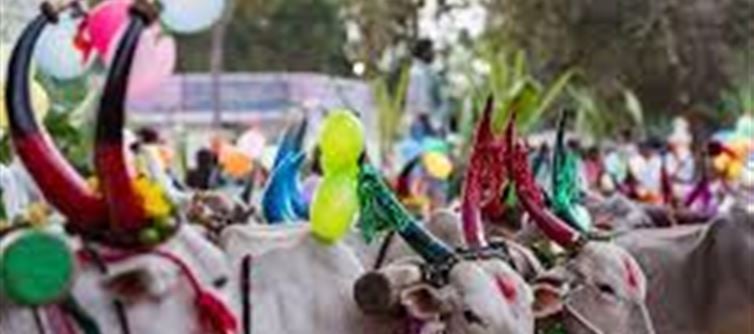
The third day, Mattu Pongal, celebrates cattle, which play a vital role in agriculture. Cows and bulls are bathed, decorated with garlands, painted horns, and given special feed. In rural areas, events like Jallikattu (bull taming) or other traditional games are organized, showcasing valor and cultural pride. Devotees express gratitude to the cattle for their service in plowing fields and producing milk, making this day both festive and spiritually significant.
4. Kaanum pongal – january 17, 2026
The final day, Kaanum Pongal, is a social and family-oriented day. people visit relatives, neighbors, and friends, strengthening community bonds. In some regions, women perform special rituals for the well-being of their brothers. Families go on outings, have picnics, and participate in cultural activities. Kaanum pongal marks the conclusion of the harvest festival, symbolizing unity, gratitude, and shared joy.
Disclaimer:
The views and opinions expressed in this article are those of the author and do not necessarily reflect the official policy or position of any agency, organization, employer, or company. All information provided is for general informational purposes only. While every effort has been made to ensure accuracy, we make no representations or warranties of any kind, express or implied, about the completeness, reliability, or suitability of the information contained herein. Readers are advised to verify facts and seek professional advice where necessary. Any reliance placed on such information is strictly at the reader’s own risk.
 click and follow Indiaherald WhatsApp channel