


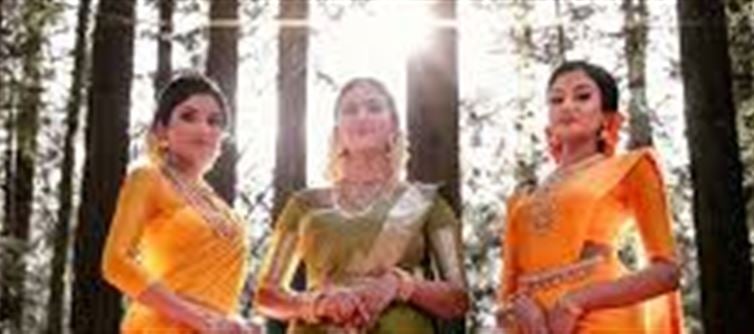

During Pongal, people in tamil Nadu wear traditional and festive attire to mark the harvest festival, reflecting cultural pride and the celebratory mood. Here’s a detailed guide:
1. Traditional Attire for Men
- Veshti / Dhoti: A long white or off-white cloth wrapped around the waist, often paired with a shirt or kurta.
- Angavastram: A thin cloth draped over the shoulders for a more festive look.
- Colors: Usually white or cream for the dhoti, sometimes with golden or colored borders.
- Footwear: Minimal or barefoot, especially during rituals and pujas at home.
2. Traditional Attire for Women
- Saree: women wear silk or cotton sarees, often in bright colors like red, yellow, green, or orange, symbolizing prosperity and happiness.
- Blouse: Matching or contrasting blouse with embroidery or traditional designs.
- Jewelry: gold or imitation jewelry, including bangles, necklaces, earrings, and hair accessories.
- Flowers in Hair: women often adorn their hair with jasmine or marigold garlands, which are traditional and fragrant.
3. Children’s Festive Clothes
- Girls: Colorful pavadai (skirt) and blouse or small sarees with traditional patterns.
- Boys: mini veshti/dhoti and shirt, sometimes with a small angavastram.
- Accessories: Simple jewelry for girls and small hair decorations; boys may wear festive caps in rural celebrations.
4. Regional Variations
- In rural areas, clothing is often simple and cotton-based for comfort, as people participate in cooking Pongal, decorating cattle, and performing rituals.
- In urban areas or during temple visits, attire is more elaborate, with silk sarees for women and neatly ironed veshtis or dhotis for men.
5. Symbolism
- White and bright colors: Represent purity, prosperity, and a new beginning with the harvest.
- Traditional fabrics: Silk and cotton are preferred to honor cultural heritage and for comfort during cooking and festivities.
✅ In short:
During Pongal, men wear veshti/dhoti with shirts, women wear colorful sarees with flowers in their hair, and children wear bright traditional outfits. The clothing is chosen to reflect tradition, festivity, and respect for the harvest season.
Disclaimer:
The views and opinions expressed in this article are those of the author and do not necessarily reflect the official policy or position of any agency, organization, employer, or company. All information provided is for general informational purposes only. While every effort has been made to ensure accuracy, we make no representations or warranties of any kind, express or implied, about the completeness, reliability, or suitability of the information contained herein. Readers are advised to verify facts and seek professional advice where necessary. Any reliance placed on such information is strictly at the reader’s own risk.
 click and follow Indiaherald WhatsApp channel