


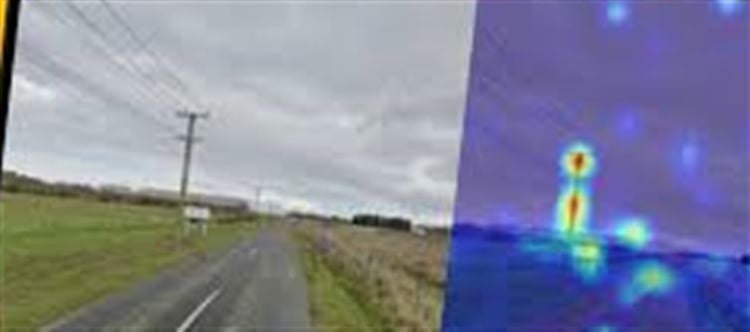

In a significant development that raises both curiosity and privacy concerns, advanced AI tools now exist that can identify where a photo was taken based solely on the image itself — even if you’ve removed all traditional location data.
📸 How Traditional Photo Privacy Worked — and Why It’s Changing
For years, your location was mainly hidden by simply stripping EXIF metadata (which stores GPS coordinates) from a photo before sharing it. That data includes where and when the photo was taken, device info, and more.
However, new AI tools now go beyond metadata — they analyze the actual visual content in images to determine location from visual clues like:
✔️ Architecture and building styles
✔ Street signs and language
✔ Vegetation patterns and terrain
✔ Road markings and vehicle types
✔ Cultural or regional visual hints
This means even if you strip all EXIF/GPS data, the photo itself can act like a hidden map.
🤖 What These New AI Tools Can Do
📍 AI Geolocation Without Metadata
Tools such as GeoSpy AI and similar services use advanced machine learning and computer vision to pinpoint where a photo was taken — even when all metadata has been removed.
Here’s what these systems can do:
- Analyze Visual Clues — Recognize elements within the image that are unique to certain regions.
- Predict GPS Coordinates — Provide latitude/longitude estimates even if the photo was stripped of metadata.
- Work on Any Photo — Upload a selfie, landscape, or snapshot — the AI uses visual features to make a location guess.
For example, GeoSpy’s geolocation AI model is trained on millions of photographs so it can learn patterns tied to specific places around the world.
🔍 Why This Matters
🧠 1. Privacy Is No Longer Just Metadata
Photos can now reveal location based on what’s inside the image, not just what’s stored in hidden data. This means:
- People may unintentionally expose their location even after removing GPS data.
- Shared social media photos might be traceable back to a real place.
- Digital footprints are harder to erase than before.
This has alarmed privacy advocates who have long warned that visual clues in pictures are information too.
🧪 2. Law Enforcement and Investigators
These tools are also attractive to law enforcement, news agencies, journalists, and researchers because they can verify where a photo was taken — helping to fact‑check events or solve cases in the field.
🛡️ 3. Privacy Risks for the Public
Experts warn that even casual selfies or travel photos could potentially expose:
- Your current or past locations
- Daily routines
- Vacation or home location
- Patterns that could be used for unwanted tracking
🛠️ What You Can Do to Protect Photo Privacy
Even though visual location detection is advancing, you can still take steps to protect your privacy:
🔒 1. Remove Metadata
Use tools that strip GPS and other identifying EXIF data before sharing photos.
🌆 2. Avoid Identifiable Landmarks
Avoid photos that show recognizable buildings, street signs, or distinct architectural features.
👥 3. Share Carefully
Limit publicly posting photos — especially if they include outside scenes that might provide location clues.
🧠 4. Be Aware
Understand that what’s visible in your photo can now be as revealing as hidden tags.
📌 Final Takeaway
In 2026, AI tools capable of identifying photo locations purely through visual analysis are becoming a reality — and that means hiding your location is no longer as simple as removing metadata. As technology evolves, so do challenges to wallet PLATFORM' target='_blank' title='digital-Latest Updates, Photos, Videos are a click away, CLICK NOW'>digital privacy and security.
Disclaimer:
The views and opinions expressed in this article are those of the author and do not necessarily reflect the official policy or position of any agency, organization, employer, or company. All information provided is for general informational purposes only. While every effort has been made to ensure accuracy, we make no representations or warranties of any kind, express or implied, about the completeness, reliability, or suitability of the information contained herein. Readers are advised to verify facts and seek professional advice where necessary. Any reliance placed on such information is strictly at the reader’s own risk.
 click and follow Indiaherald WhatsApp channel