


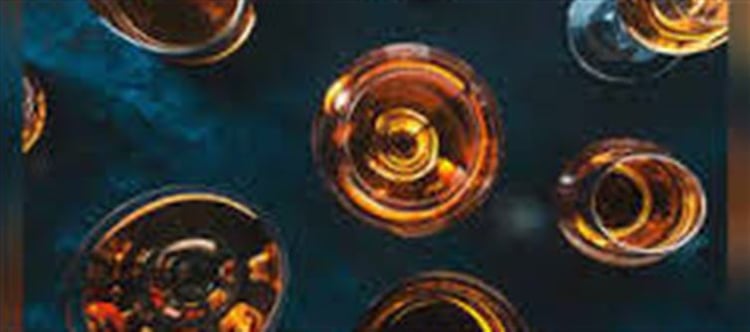

Alcohol has been a part of indian culture for centuries, from ancient rituals to social gatherings. While the choice of drink varies, one thing is almost universal: alcohol is traditionally served in glassware. But why is this the case? Experts and cultural historians point to a mix of practical, scientific, and cultural reasons.
1. Glass Preserves Taste and Aroma
Glass is non-reactive, meaning it doesn’t interact chemically with the alcohol.
Materials like metal or plastic can alter the taste or aroma, which is particularly important for drinks like whiskey, wine, or craft cocktails.
Clear glass also allows drinkers to appreciate the color and clarity of their beverage, enhancing the sensory experience.
2. Temperature Control
Glass, especially thick glass, maintains the temperature of the drink better than some materials.
Cold drinks stay cold longer, and spirits served neat retain their intended warmth and mouthfeel.
3. Hygiene and Safety
Glass is easy to clean and sterilize, reducing the risk of contamination.
Unlike certain metals or plastics, glass doesn’t leach chemicals into the drink, ensuring safety for consumption.
4. Cultural Significance
In India, serving alcohol in glass is often associated with respect, class, and celebration.
From royal courts to modern bars, glassware signifies ceremony and sophistication, making the act of drinking a more mindful, social experience.
5. Ritualistic and Symbolic Reasons
In some traditional indian ceremonies, alcohol is offered in small glass cups as part of rituals to deities or during weddings.
The transparency of glass is symbolic of purity and honesty, aligning with the ceremonial intent.
6. Practicality
Glass allows bartenders and hosts to measure and pour accurately.
Stemmed glasses, like wine or whiskey glasses, help prevent hands from warming the drink, preserving the intended temperature.
7. Modern Preferences
While ceramic, steel, and plastic cups exist, glass remains preferred in bars and homes because it enhances the overall drinking experience.
The tradition continues because it combines science (taste, aroma, safety) and culture (class, ritual, visual appeal).
Key Takeaways
Alcohol is served in glass mainly due to taste preservation, temperature control, hygiene, and aesthetics.
Indian drinking culture values ceremony and mindfulness, which glassware helps maintain.
The next time you sip whiskey, wine, or even a cocktail, remember: the glass is as much part of the experience as the drink itself.
Disclaimer:
The views and opinions expressed in this article are those of the author and do not necessarily reflect the official policy or position of any agency, organization, employer, or company. All information provided is for general informational purposes only. While every effort has been made to ensure accuracy, we make no representations or warranties of any kind, express or implied, about the completeness, reliability, or suitability of the information contained herein. Readers are advised to verify facts and seek professional advice where necessary. Any reliance placed on such information is strictly at the reader’s own risk.
 click and follow Indiaherald WhatsApp channel