


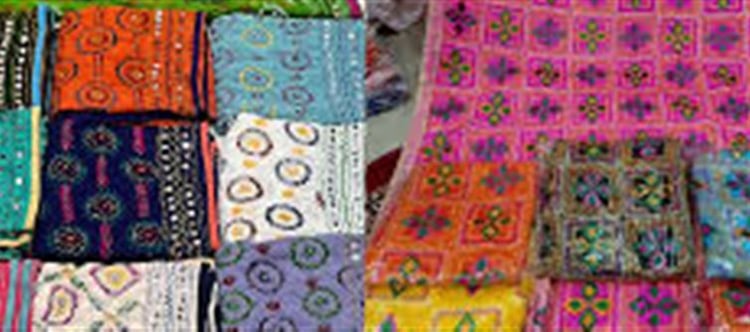

Phulkari, meaning “flower work”, is one of Punjab’s most iconic and emotionally rich embroidery traditions. Known for its vibrant colors, detailed needlework, and cultural symbolism, Phulkari is much more than fabric — it is a storytelling art passed down through generations.
But did you know there are different types of Phulkari, each with its own purpose, style, and history? Here’s a simple guide to understanding the differences, varieties, and uniqueness of this beautiful craft.
🌼 What Is Phulkari?
Phulkari is a traditional embroidery technique from Punjab, done using:
· Silk floss thread (Pat)
· Darn stitch
· Geometric patterns, floral motifs, and symbolic designs
· Bright, contrasting colors
Traditionally made by mothers and grandmothers for weddings, festivals, and special occasions, Phulkari is deeply woven into Punjab’s cultural identity.
🧵 Difference Between Phulkari & Bagh
Many people confuse Phulkari and Bagh, but there is a key difference:
1. Phulkari
· Embroidery is done on specific areas, not covering the entire cloth.
· Simple and lighter patterns.
· Used for everyday wear or gifting.
· Focuses on floral and geometric motifs.
2. Bagh
· The entire fabric is densely embroidered with silk floss.
· Heavy, detailed, and luxuriously rich.
· Traditionally worn during weddings and ceremonies.
· The base cloth almost disappears under the embroidery.
In simple terms:
Phulkari is light and decorative; Bagh is bold, elaborate, and ceremonial.
🌟 Popular Varieties of Phulkari
1. Chope
· Given to daughters by mothers and grandmothers.
· Identified by double-sided embroidery in mustard and maroon.
· Worn during wedding rituals.
· Symbolises blessings and protection.
2. Bagh (Wedding Bagh)
· Most elaborate form of Phulkari.
· Entire cloth covered with embroidery.
· Patterns like mirrors, diamonds, and floral gardens.
· Worn by brides during wedding ceremonies.
3. Sainchi Phulkari
· Narrative-style embroidery.
· Depicts daily village life:
o Farmers
o Cattle
o women doing chores
o Festivities
· Known for its storytelling charm.
4. Tilpatra Phulkari
· Features tiny, scattered motifs like small dots or petals.
· Elegant and minimalistic.
· Ideal for light dupattas and stoles.
5. Thirma
· Created on white or off-white cloth.
· Considered auspicious and peaceful.
· Traditionally worn by elderly women or for spiritual occasions.
6. Vari-da-Bagh
· A gift given during marriage celebrations.
· Made in yellow or orange tones.
· Unique patterns that represent prosperity and good fortune.
7. Darshan Dwar
· Embroidery representing doorways or gateways to temples.
· Traditionally offered to gurdwaras.
· Used during religious ceremonies.
8. Subhar
· Embroidered with symbolic motifs like:
o Parrots
o Flowers
o Swastika
o Peacocks
· Represents good luck and blessings.
🎨 What Makes Phulkari Special?
✔️ Entirely handmade
✔️ Embroidery done from the back of the cloth
✔️ No traced design — created freehand
✔️ Symbolism in colors and motifs
✔️ Passed down as a heirloom
✔️ Represents love, heritage, and womanhood
🧡 Modern-Day Phulkari
Today, Phulkari appears on:
· Dupattas
· Sarees
· Kurtas
· Jackets
· Bags
· Juttis
· home décor items
Designers have globalized it, but its soul remains rooted in Punjab’s traditions.
🌺 Conclusion
Phulkari is not just embroidery — it’s poetry in thread.
Understanding its varieties like Chope, Bagh, Sainchi, Thirma, Vari-da-Bagh, and more helps you appreciate the beauty, heritage, and craftsmanship behind every stitch.
Whether you’re a fashion lover or a cultural enthusiast, Phulkari is a timeless art form worth celebrating.
Disclaimer:
The views and opinions expressed in this article are those of the author and do not necessarily reflect the official policy or position of any agency, organization, employer, or company. All information provided is for general informational purposes only. While every effort has been made to ensure accuracy, we make no representations or warranties of any kind, express or implied, about the completeness, reliability, or suitability of the information contained herein. Readers are advised to verify facts and seek professional advice where necessary. Any reliance placed on such information is strictly at the reader’s own risk.
 click and follow Indiaherald WhatsApp channel