



Cooking has evolved significantly over the years, moving from open flames and gas cylinders to more advanced, safer, and energy-efficient methods. Among these, induction cooking has gained popularity for its speed, precision, and safety. But how exactly does an induction stove work? Let’s break it down.
1. Introduction to Induction Cooking
Unlike traditional gas or electric stoves, induction stoves do not rely on burning fuel or heating coils to cook food. Instead, they use electromagnetic energy to directly heat the cooking vessel. This innovation eliminates many common concerns associated with gas stoves, such as fire hazards, cylinder leakage, or wasted heat.
2. The Science Behind Induction
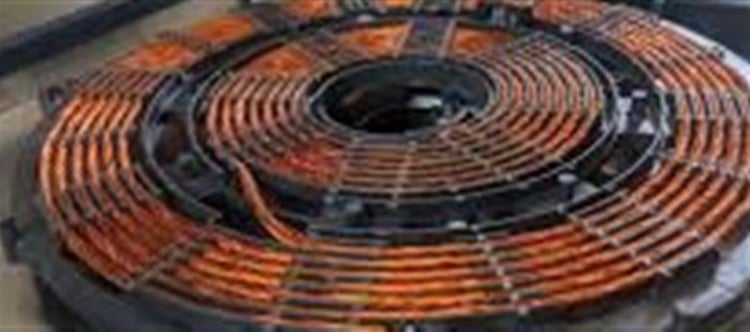
At the heart of induction cooking lies electromagnetic induction, a principle discovered by Michael Faraday in the 19th century. When an alternating current passes through a copper coil beneath the stove’s surface, it creates a rapidly changing magnetic field.
When a magnetic cookware (such as cast iron or stainless steel) is placed on the stove, the magnetic field induces electric currents in the cookware, known as eddy currents. These currents generate heat directly inside the pan, making cooking faster and more efficient.
3. Key Components of an Induction Stove
Understanding the basic components helps explain why induction stoves are both effective and safe:
Copper Coil: Generates the magnetic field when electricity passes through it.
Glass-Ceramic Surface: Provides a smooth and durable cooking surface that doesn’t get hot except where the pan touches it.
Control Panel: Allows precise temperature adjustments, often in small increments.
Induction-Compatible Cookware: Only pans with ferromagnetic properties work, as non-magnetic materials won’t generate heat.
4. Advantages Over Traditional Gas Stoves
a. Safety First
With no open flame, the risk of accidental fires or gas leaks is eliminated. The cooktop remains relatively cool, reducing burn risks.
b. Energy Efficiency
Energy is generated directly in the pan, minimizing wasted heat. This means faster cooking with lower electricity consumption.
c. Precise Temperature Control
Induction stoves allow precise control of cooking temperatures, perfect for delicate dishes like chocolate or sauces that require steady heat.
d. Easy to Clean
Since the stove surface does not get very hot, spilled food does not burn onto the cooktop, making cleaning effortless.
5. How to Use an Induction Stove Properly
Choose the Right Cookware: Look for pots and pans labeled “induction-compatible.” A simple magnet test works—if a magnet sticks to the bottom, it’s suitable.
Set the Power or Temperature: Adjust the control panel to the desired cooking level.
Place the Cookware Correctly: The pan must sit fully on the induction zone for efficient heating.
Monitor Cooking: While induction heats quickly, food can overcook if unattended, so careful monitoring is still necessary.
6. Common Myths About Induction Cooking
“Induction stoves are dangerous due to electromagnetic radiation”: The magnetic fields are low-frequency and contained, posing no risk to humans.
“You need special cookware for every recipe”: Only the pan needs to be induction-compatible, not every utensil used during cooking.
“Induction cooking is slow”: In fact, it is often faster than gas because heat is generated directly in the pan.
7. Conclusion
Induction stoves offer a modern, safe, and energy-efficient alternative to traditional gas cooking. By using electromagnetic induction, they heat food directly in the cookware, eliminating fire hazards and wasted energy. For households looking for convenience, precision, and safety, induction cooking is an excellent choice.
No more worrying about cylinders running out or the fear of fire — induction technology brings peace of mind while making delicious meals.
Disclaimer:
The views and opinions expressed in this article are those of the author and do not necessarily reflect the official policy or position of any agency, organization, employer, or company. All information provided is for general informational purposes only. While every effort has been made to ensure accuracy, we make no representations or warranties of any kind, express or implied, about the completeness, reliability, or suitability of the information contained herein. Readers are advised to verify facts and seek professional advice where necessary. Any reliance placed on such information is strictly at the reader’s own risk.
 click and follow Indiaherald WhatsApp channel