


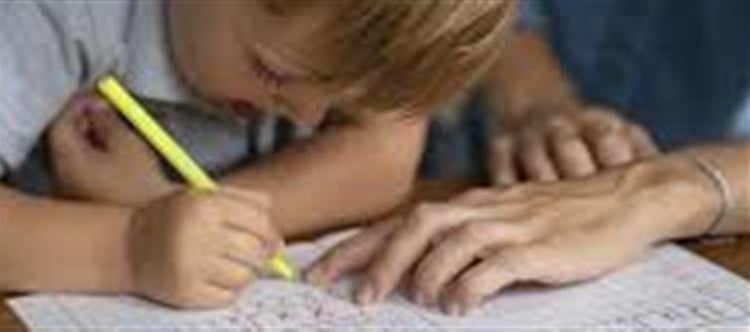

Good handwriting is not just about neatness — it helps children express ideas clearly, build confidence, and perform better academically. Many parents notice that their kids struggle with legible writing, but with consistent practice and simple strategies, improvements can happen quickly. Here’s a guide with daily tips and exercises to enhance handwriting.
1. Identify the Handwriting Challenges
Before starting, observe your child’s handwriting to understand the main issues:
- Sloppy or uneven letters
- Letters that are too big, too small, or inconsistent
- Difficulty spacing words correctly
- Trouble maintaining a straight line on blank pages
Knowing the specific challenge helps in choosing the right exercises.
2. Set Up a Comfortable Writing Space
A proper workspace encourages better writing posture:
- Use a table and chair at the right height — feet flat on the floor.
- Ensure good lighting to reduce eye strain.
- Keep writing tools within easy reach (pencils, erasers, sharpeners).
- Maintain a clutter-free desk to help kids focus.
Comfort and ergonomics are crucial for neat, controlled handwriting.
3. Use the Right Writing Tools
The choice of pencil or pen affects control:
- Start with soft pencils (HB or 2B) for smooth strokes.
- Grip-friendly pencils or pens can reduce finger fatigue.
- Avoid too slippery pens or heavy pencils that make writing tiring.
Let kids experiment with different pens to see what feels best.
4. Daily Handwriting Exercises
Consistency is key. Incorporate 10–15 minutes of practice daily:
a) Warm-Up Exercises
- Finger stretches and hand squeezes to strengthen grip.
- Tracing shapes, zigzags, and curves on paper.
b) letter Formation Drills
- Practice one letter at a time, focusing on size, shape, and alignment.
- Use dotted-line worksheets for tracing letters.
c) Word and Sentence Writing
- Copy simple words, then move to short sentences.
- Encourage writing slowly and focusing on letter spacing.
d) Fun Creative Writing
- Have children write stories, draw and label illustrations, or keep a daily journal.
- This combines creativity with handwriting practice.
5. Encourage Proper Posture and Grip
- Hold the pencil lightly, between thumb, index, and middle finger.
- Keep the wrist relaxed and paper slightly tilted.
- Maintain upright sitting posture — leaning too far or hunching affects writing flow.
Correct posture reduces fatigue and improves neatness.
6. Make Practice Fun
- Turn writing exercises into games or challenges.
- Reward effort, not just neatness, to motivate children.
- Use colorful pens, notebooks, or stickers for positive reinforcement.
Fun, engaging practice keeps kids motivated and reduces frustration.
7. Track Progress and Be Patient
- Take weekly notes or photos of handwriting samples.
- Celebrate small improvements — size, spacing, or letter consistency.
- Avoid comparing with other children; each child progresses at their own pace.
Regular encouragement builds confidence and reinforces learning.
✅ Key Takeaways
- Handwriting improves fastest with short, daily, structured practice.
- Proper workspace, grip, and posture are essential.
- Incorporate fun and creative exercises to maintain motivation.
- Track progress and provide consistent encouragement.
With 10–15 minutes of mindful daily practice, most children can see noticeable improvement in weeks, boosting both confidence and academic performance.
Disclaimer:
The views and opinions expressed in this article are those of the author and do not necessarily reflect the official policy or position of any agency, organization, employer, or company. All information provided is for general informational purposes only. While every effort has been made to ensure accuracy, we make no representations or warranties of any kind, express or implied, about the completeness, reliability, or suitability of the information contained herein. Readers are advised to verify facts and seek professional advice where necessary. Any reliance placed on such information is strictly at the reader’s own risk.
 click and follow Indiaherald WhatsApp channel