


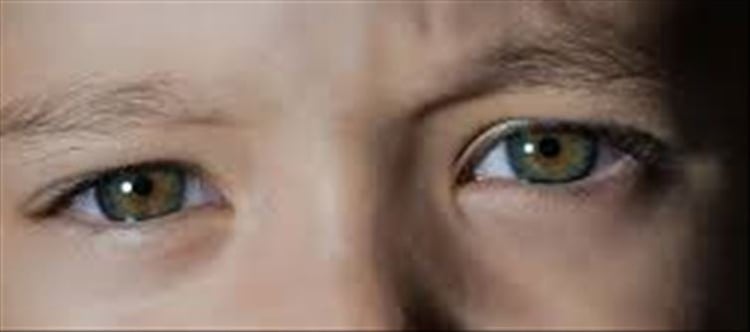

Vision plays a key role in a child’s learning, development, and confidence. Many children don’t realize they have a vision problem, so parents and teachers often notice the early signs. Detecting issues early can prevent long-term difficulties in school and daily life.
🧠 1. Why Early Detection Matters
Undetected vision problems can lead to:
Difficulty in reading and writing
Poor academic performance
Lack of attention or frustration in class
Delayed visual development
Early correction (glasses or treatment) can significantly improve outcomes.
👀 2. Common Signs of Vision Problems in Children
Watch for these warning signs:
📖 Difficulty in Reading or Writing
Skips lines while reading
Holds books very close
Avoids reading activities
😣 Frequent Eye Strain or Headaches
Complains of headaches after studying
Rubs eyes often
Shows signs of tiredness during near work
👁️ Squinting or Eye Misalignment
Squinting to see distant objects
One eye turning inward or outward (possible strabismus)
Tilting head to focus better
📺 Sitting Too Close to Screens
Watches tv or mobile from very close distance
Struggles to see the board in school
⚽ Poor Hand-Eye Coordination
Difficulty catching balls or playing sports
Clumsiness in visual tasks
🏫 3. Signs Noticed in school Performance
Teachers may observe:
Trouble copying from the board
Slow reading speed compared to peers
Avoidance of visual tasks
Reduced concentration during classwork
👶 4. Behavioral Clues in Younger Children
In toddlers or preschoolers:
Frequent eye rubbing
Excessive blinking
Covering one eye to focus
Lack of interest in picture books
🧪 5. When to Consider an Eye Check-Up
A comprehensive eye examination is recommended if:
Any of the above signs are persistent
Child complains of blurry vision
There is a family history of eye problems
Child is starting school (routine check-up age)
👉 Experts recommend the first eye exam around 3–5 years of age, or earlier if symptoms appear.
👓 6. Common Vision Issues in Children
Myopia (nearsightedness) – difficulty seeing distant objects
Hyperopia (farsightedness) – trouble focusing on close objects
Astigmatism – blurred or distorted vision
Strabismus (squint) – misaligned eyes
Amblyopia (lazy eye) – reduced vision in one eye
⚠️ 7. Why parents Should Not Ignore Symptoms
Untreated vision problems can:
Affect academic performance permanently
Lead to poor self-confidence
Cause long-term vision imbalance
Early intervention is simple and highly effective.
🧠 Conclusion
Identifying vision problems in children is about noticing small but consistent behavioral changes in reading, focus, and coordination. Regular eye check-ups and early attention can ensure healthy visual development and better learning outcomes.
Disclaimer:
The views and opinions expressed in this article are those of the author and do not necessarily reflect the official policy or position of any agency, organization, employer, or company. All information provided is for general informational purposes only. While every effort has been made to ensure accuracy, we make no representations or warranties of any kind, express or implied, about the completeness, reliability, or suitability of the information contained herein. Readers are advised to verify facts and seek professional advice where necessary. Any reliance placed on such information is strictly at the reader’s own risk.
 click and follow Indiaherald WhatsApp channel