


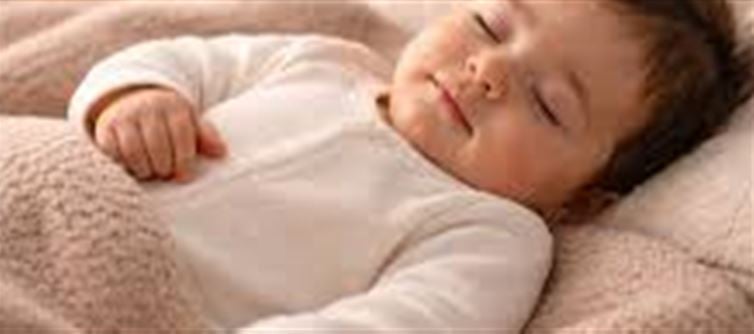

Winter nights can bring extra worries for parents, particularly when it comes to keeping babies warm and safe during sleep. As temperatures drop, it's natural to want to bundle up your little one in cozy layers—warm clothes, caps, and socks. But how much is too much? One of the common questions parents ask is whether it’s safe for babies to wear socks while they sleep in winter.
The key to dressing babies for sleep, especially in cold weather, is finding the right balance between warmth and comfort without the risk of overheating. Here’s what you need to know.
1. Understanding Overheating in Babies
Overheating is one of the main concerns when dressing babies for sleep, as it can increase the risk of sudden infant death syndrome (SIDS). Babies can’t regulate their body temperature as well as adults, which means they’re more vulnerable to both overheating and getting too cold. If a baby gets too hot while sleeping, it can lead to sweating, discomfort, and even dangerous health risks.
2. Should You Put Your Baby to Sleep in Socks?
In general, socks can be a good option for keeping your baby’s feet warm during winter, but you need to pay attention to a few key things to ensure your baby’s comfort and safety.
- Material Matters: Choose socks made from soft, breathable fabrics like cotton, wool, or bamboo. These materials help regulate temperature and reduce the risk of your baby’s feet becoming too hot or too cold. Avoid socks made from synthetic materials, as they can trap heat and moisture, potentially causing your baby to overheat.
- Fit and Comfort: Ensure the socks are not too tight. Tight socks can restrict circulation, causing discomfort and even contributing to overheating. Look for socks with soft elastic bands or a stretch fit that won’t leave marks on your baby’s skin.
- Check Baby’s Feet: The easiest way to check if your baby is too warm or too cold is by feeling their feet, hands, and the back of their neck. If the feet feel warm but not hot (you don’t want them sweaty), the socks are likely doing their job. If they’re too cold, it may mean your baby needs extra warmth. If the feet are too hot or sweaty, remove a layer or two.
3. The Right Layers: How to Dress Your Baby for Sleep
Dressing your baby in the winter involves more than just adding socks. Here are some tips on how to layer your baby’s clothes effectively to avoid both overheating and cold exposure.
- Base Layer: Start with a soft, long-sleeve onesie or a baby sleep sack (a wearable blanket). This will keep your baby cozy without too much bulk. A good base layer will help regulate your baby’s body temperature, especially if the room is colder.
- Middle Layer: Depending on the temperature, you can add a light sweater or fleece layer on top of the onesie. Be sure to avoid adding too many layers, as this can cause overheating. Babies can’t move around much while sleeping, so they need less clothing than they would if they were active.
- Outer Layer (Optional): If the room is very cold, a baby sleep bag or wearable blanket can be a great option. These are designed to keep babies warm without the risk of loose blankets, which can be a suffocation hazard.
- Room Temperature: Aim to keep your baby’s room at a comfortable temperature, ideally between 68°F and 72°F (20°C to 22°C). If the room is warmer or colder than this, you may need to adjust your baby’s clothing accordingly.
4. Signs Your Baby Is Too Warm or Too Cold
How can you tell if your baby is comfortable during sleep? Here are some signs to look out for:
- Too Warm:
- Baby’s skin feels hot or sweaty.
- Baby is flushed or red-faced.
- Baby is unusually restless or fussy during sleep.
- Baby’s chest or back feels warm to the touch.
- Too Cold:
- Baby’s feet or hands feel cold to the touch.
- Baby’s skin has a pale or bluish tint.
- Baby may be shivering or looking uncomfortable.
- Baby is fussy and unable to settle down.
If you notice any of these signs, adjust your baby’s clothing or room temperature. Don’t forget to check the baby’s neck or back, as these areas are best for detecting overheating.
5. Alternatives to Socks: Other Options for Keeping Baby’s Feet Warm
If you’re concerned about socks slipping off or prefer a more secure option, consider these alternatives:
- Sleep Sacks with Foot Covers: Some baby sleep sacks have built-in foot covers that keep the feet warm without the risk of socks coming off during sleep.
- Footed Pajamas: Baby pajamas with built-in feet are an excellent option for keeping your baby’s toes cozy and warm without worrying about separate socks.
- Thermal Blankets or Foot Warmers: Some parents prefer to use a thermal blanket over their baby’s legs to provide extra warmth. Just make sure the blanket doesn’t come loose and doesn’t cover the baby’s face.
6. Conclusion: Socks or Not, Comfort is Key
In conclusion, putting socks on your baby during winter can help keep their feet warm, but it’s essential to ensure that the socks fit properly, are made from breathable materials, and don’t cause overheating. Always monitor your baby’s temperature and adjust their clothing based on the room temperature.
The safest approach is to dress your baby in lightweight, breathable layers that can be adjusted as needed, and keep the room at a comfortable temperature to reduce the risk of both cold and overheating. Your baby’s comfort is key, so trust your instincts and check on them regularly during sleep.
By following these simple tips, you can rest easy knowing your baby is snug, safe, and comfortable all winter long.
Disclaimer:
The views and opinions expressed in this article are those of the author and do not necessarily reflect the official policy or position of any agency, organization, employer, or company. All information provided is for general informational purposes only. While every effort has been made to ensure accuracy, we make no representations or warranties of any kind, express or implied, about the completeness, reliability, or suitability of the information contained herein. Readers are advised to verify facts and seek professional advice where necessary. Any reliance placed on such information is strictly at the reader’s own risk.
 click and follow Indiaherald WhatsApp channel