


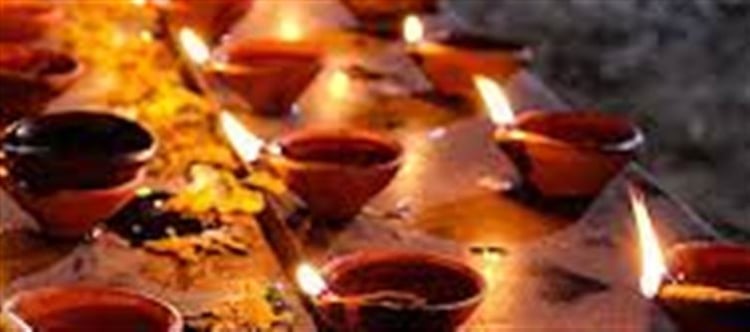

Lighting lamps is a central practice in home worship across many cultures, particularly in indian traditions. Beyond being a source of light, a lamp symbolizes spiritual illumination, knowledge, and the presence of the divine. Whether performed daily or during festivals, the ritual of lighting a lamp carries deep symbolic meaning and practical spiritual benefits.
1. The Lamp as a Symbol of Knowledge and Wisdom
In spiritual traditions, light represents knowledge while darkness symbolizes ignorance. Lighting a lamp during worship serves as a reminder that:
The divine is the source of all wisdom.
Spiritual practices help remove ignorance from the mind.
The light guides one toward truth, clarity, and understanding.
In essence, lighting a lamp is an act of inviting awareness and enlightenment into daily life.
2. Spiritual and Energetic Benefits
Lighting lamps in home worship is believed to have positive effects on the mind, body, and environment:
Purifies the atmosphere: The flame is said to eliminate negative energies and create a calm, serene environment.
Enhances concentration and focus: The gentle, steady glow aids meditation and prayer.
Invokes divine presence: Lighting a lamp is considered an invitation to deities, fostering blessings and spiritual protection.
Many practitioners also believe that the energy of the flame can influence the overall harmony of the home.
3. Rituals and Practices
The act of lighting a lamp is often accompanied by specific rituals:
Cleaning the lamp and area: Symbolizes purity and respect for the divine.
Choosing the right fuel: ghee, oil, or camphor are commonly used, each carrying unique spiritual significance.
Offering prayers: Chanting mantras, singing hymns, or silently meditating enhances the spiritual energy.
Positioning: Lamps are traditionally placed on altars, near deities, or in eastern-facing windows to align with auspicious energy.
The ritual itself is a form of mindfulness, promoting focus and devotion.
4. Festivals and Special Occasions
Lighting lamps is central to festivals such as Diwali, Karthika Deepam, and Navratri:
Diwali: Celebrates the victory of light over darkness, knowledge over ignorance.
Karthika Deepam: Lamps are lit to honor Lord shiva and invoke prosperity.
Navratri: Lighting lamps signifies the divine feminine energy and spiritual awakening.
During these occasions, homes are illuminated with rows of lamps, creating a vibrant, positive atmosphere and uniting families in shared devotion.
5. Symbolism of Oil, Wicks, and Flame
Every element of a lamp carries symbolic meaning:
Oil or ghee: Represents sustenance, devotion, and purity.
Wick: Symbolizes the human mind, which must be ignited by spiritual knowledge.
Flame: Represents the eternal soul, divine light, and the presence of the Supreme.
This symbolism reminds worshippers that spiritual growth requires effort, nourishment, and clarity of mind.
6. Psychological and Emotional Benefits
Lighting a lamp also has subtle psychological effects:
Creates a sense of calm and reduces stress.
Enhances mindfulness during prayer or meditation.
Fosters a feeling of hope, optimism, and positivity in the home.
The warm glow can transform an ordinary space into a sanctuary of peace and devotion.
7. Practical Tips for home Worship Lamps
Use natural oils or ghee for a cleaner flame and auspicious energy.
Keep the lamp clean and safe, away from flammable materials.
Light lamps daily or during key rituals for consistency in spiritual practice.
Consider using scented oils or camphor to further enhance the atmosphere.
Final Thoughts
Lighting lamps in home worship is much more than a ritual—it is a symbolic act of inviting light, knowledge, and positive energy into one’s life. It nurtures mindfulness, purifies the home, and fosters a deep connection with the divine.
By embracing this practice, individuals not only honor spiritual traditions but also create a calm, positive, and spiritually vibrant environment that nourishes both the mind and soul.
Disclaimer:
The views and opinions expressed in this article are those of the author and do not necessarily reflect the official policy or position of any agency, organization, employer, or company. All information provided is for general informational purposes only. While every effort has been made to ensure accuracy, we make no representations or warranties of any kind, express or implied, about the completeness, reliability, or suitability of the information contained herein. Readers are advised to verify facts and seek professional advice where necessary. Any reliance placed on such information is strictly at the reader’s own risk.
 click and follow Indiaherald WhatsApp channel